Cooking Together: Short-Term Programs That Bring Joy to Respite Care
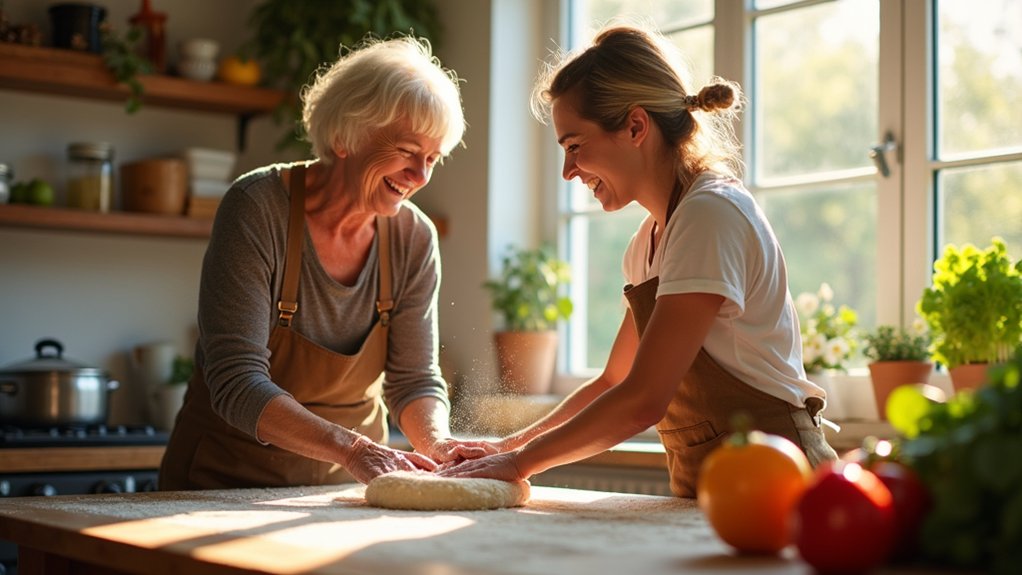
Cooking together in short-term respite care programs brings joy by fostering connections and evoking cherished memories. As you engage in culinary activities, you’ll strengthen bonds with caregivers and enhance communication. These experiences stimulate cognitive skills, promote motor abilities, and create lasting memories. The kitchen becomes a space for laughter and creativity, nurturing a sense of accomplishment. Discover how to implement these enriching programs and create joyful moments in your respite care environment.
Key Takeaways
- Culinary programs foster meaningful connections and enhance communication between caregivers and seniors through shared cooking experiences.
- Engaging in cooking activities alleviates stress for caregivers while creating lasting memories with seniors.
- Simple, nutritious recipes promote participation and cater to diverse dietary needs, ensuring inclusivity in meal planning.
- A welcoming kitchen space encourages creativity and collaboration, making cooking a fun and enjoyable experience for all.
- Celebrating culinary achievements strengthens community ties and boosts morale, enhancing the overall respite care experience.
The Importance of Cooking in Respite Care
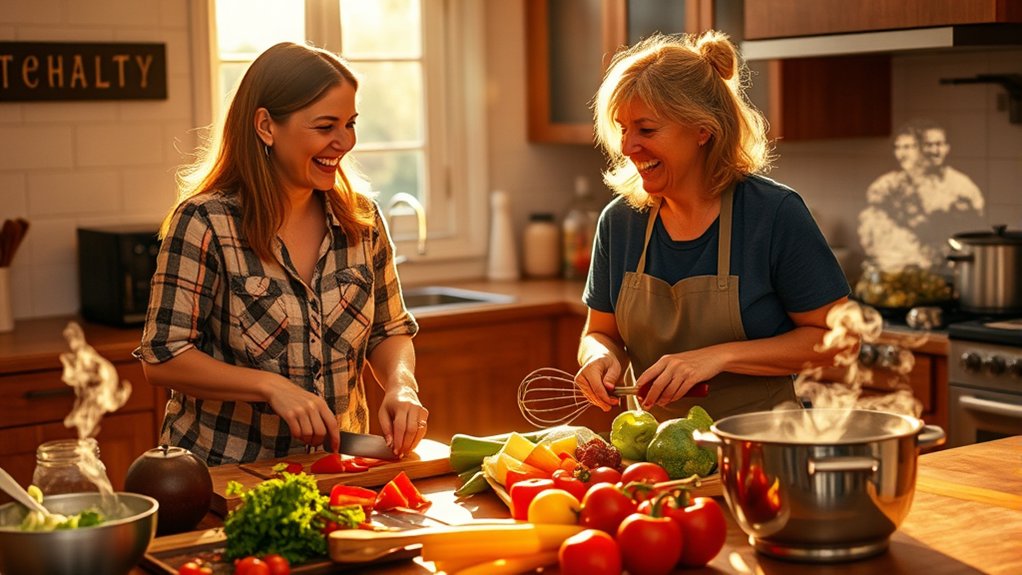
Cooking plays an essential role in respite care, as it not only nourishes the body but also fosters connection and creativity. When you engage in cooking with seniors in respite care Lewisville, you’re creating moments that matter.
In senior respite care Lewisville TX, the kitchen becomes a space for storytelling, laughter, and shared experiences. You can help elderly individuals rediscover their love for food, making mealtime enjoyable and meaningful.
By preparing meals together, you’re not just feeding them; you’re providing comfort and companionship. Whether it’s a simple recipe or a family favorite, your efforts can spark joy and evoke cherished memories. Additionally, cooking together can enhance social interaction and communication, making the experience even more rewarding for both caregivers and seniors.
In elderly respite care Lewisville, cooking truly transforms the atmosphere, enriching lives and building bonds that last.
Benefits of Culinary Activities for Caregivers and Loved Ones
While you might focus on the joy it brings to seniors, culinary activities also offer significant benefits for caregivers and loved ones. Engaging in cooking together fosters a sense of connection and shared purpose, which can be incredibly rewarding. As you create meals in senior respite care Lewisville, you’ll find the experience strengthens your bond, enhancing communication and understanding. It also provides a much-needed break from routine, allowing you to unwind and enjoy moments of laughter. In elderly respite care Lewisville TX, these activities can help alleviate stress and promote mental well-being. Ultimately, the joy of cooking together not only nourishes the body but enriches relationships, creating lasting memories for both caregivers and their loved ones. Additionally, participating in culinary activities can encourage socialization, reinforcing the strong community spirit that is vital for a fulfilling life.
Enhancing Cognitive Skills Through Cooking
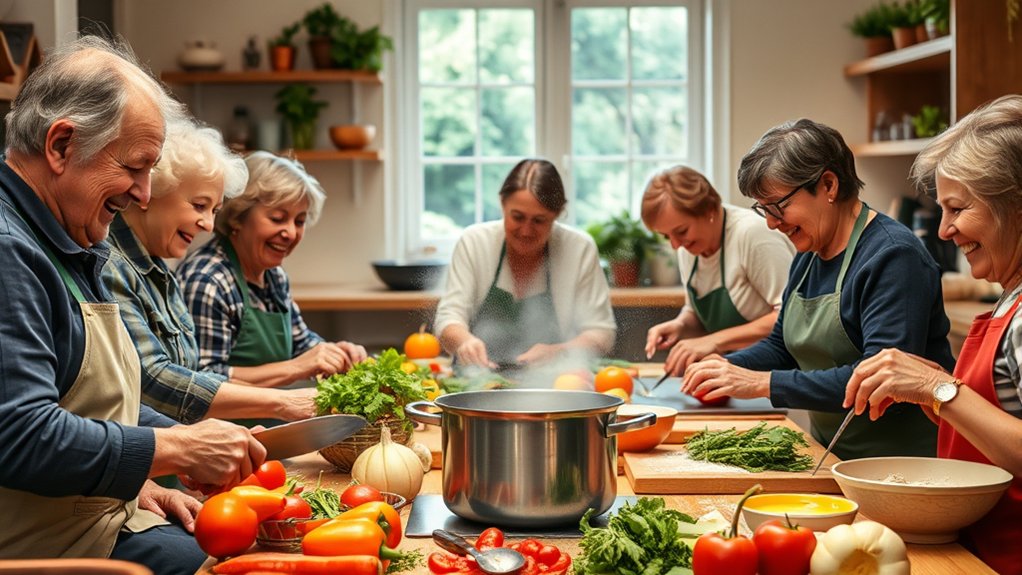
When you immerse yourself in culinary activities with seniors, you’re not just creating tasty dishes; you’re also enhancing cognitive skills in a fun and engaging way.
At a respite care facility Lewisville, you’ll find that cooking stimulates memory and encourages decision-making. As you plan meals together, you promote critical thinking and problem-solving, essential components for mental agility.
Engaging seniors in conversation about ingredients and techniques further sharpens their verbal skills. Additionally, participation in engaging activities helps create a vibrant atmosphere that fosters connections and boosts mood.
In a respite care facility Lewisville TX, the kitchen becomes a vibrant space for social interaction, fostering connections and boosting mood.
Motor Skills Development in the Kitchen
As you engage seniors in culinary tasks, you’ll notice a significant boost in their motor skills. Simple activities like chopping vegetables, stirring, or kneading dough can enhance hand-eye coordination and fine motor skills. By inviting them to measure ingredients or pour liquids, you’re encouraging precision and control.
These tasks not only foster independence but also provide a sense of accomplishment. Incorporating various utensils and tools, like whisks and graters, adds variety and keeps things interesting. Additionally, cooking together can be a form of light physical activity that offers both fun and health benefits.
As they practice these skills, you’ll see improved dexterity and confidence. Plus, cooking together offers a fun way to stay active and engaged. Ultimately, these experiences enrich their lives and promote joy, showing how powerful a shared kitchen can be.
Building Connections: Strengthening Relationships Through Cooking
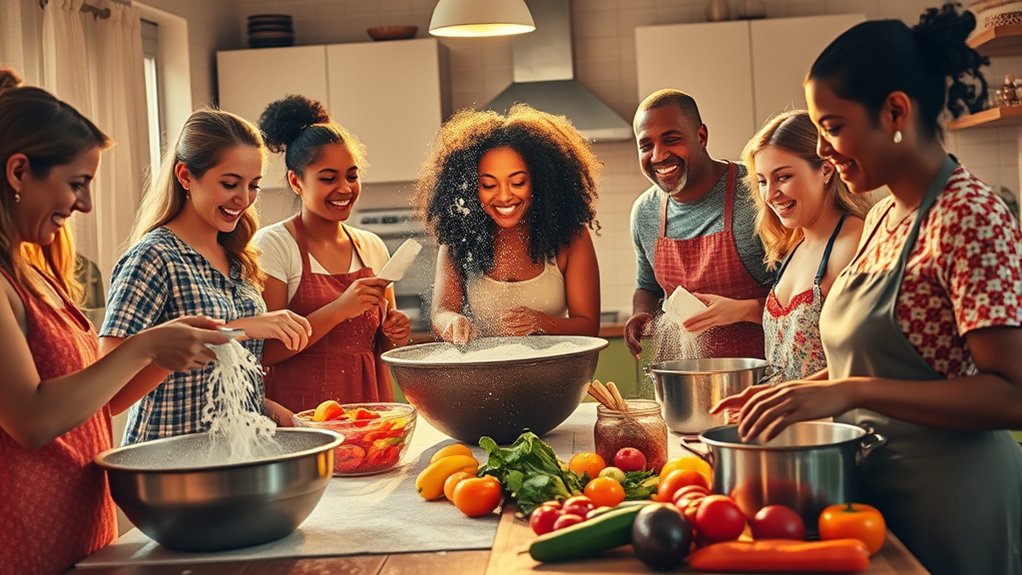
Cooking together not only nurtures culinary skills but also fosters meaningful connections among participants.
When you engage in the kitchen with others, you share not just ingredients but also stories, laughter, and camaraderie. This shared experience can break down barriers, allowing individuals to connect on a deeper level.
As you chop, stir, and taste, you create an atmosphere of trust and support, making everyone feel valued. Each recipe becomes a bridge, linking diverse backgrounds and strengthening relationships.
You’ll find joy in collaboration, as you work side by side, celebrating both successes and learning moments. Additionally, volunteering in cooking programs can provide improved mental health, enhancing the overall experience for everyone involved.
Creative Expression and Exploration of Flavors
While experimenting with different ingredients, you’ll find that cooking becomes a canvas for your creative expression.
You can play with textures, colors, and flavors, transforming simple dishes into masterpieces. Imagine combining fresh herbs with vibrant vegetables to create a visually stunning salad or adding a dash of spice to elevate a comforting soup.
Each dish you prepare not only nourishes but also tells a story, reflecting your unique style and the joy of serving others. Encourage those around you to join in, sharing their ideas and tastes.
This collaborative approach fosters a sense of community and connection, allowing everyone to explore their culinary creativity. After all, cooking together can spark inspiration and lead to delightful discoveries you won’t forget. Additionally, strong connections between participants can enhance emotional strength and create a supportive environment during the cooking process.
Innovative Cooking Programs in Respite Care
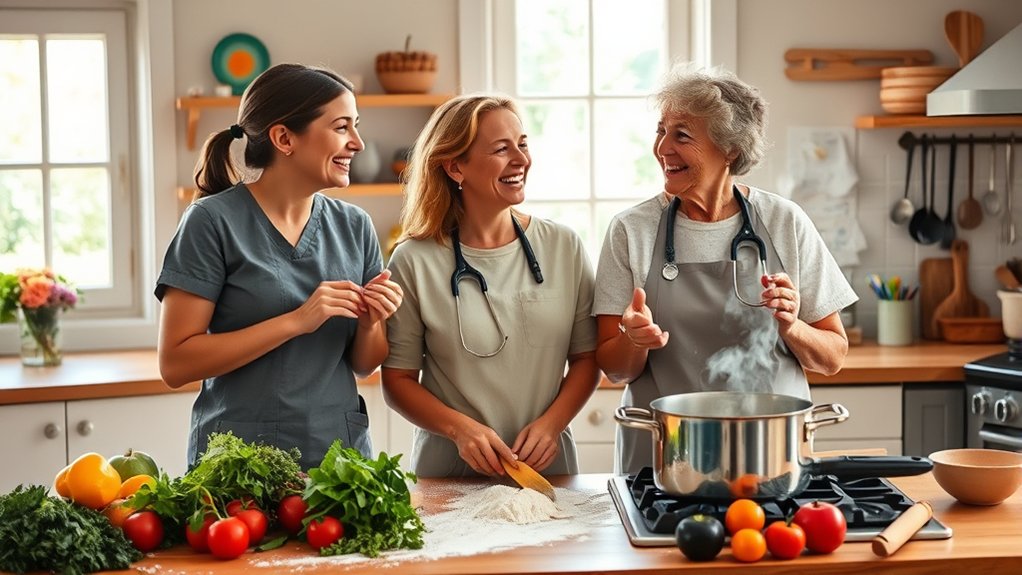
Innovative cooking programs in respite care offer exciting opportunities to engage participants in meaningful culinary experiences. These hands-on activities allow caregivers and individuals to bond over shared meals, fostering a sense of community. You can explore diverse cuisines together, introducing new flavors and techniques while promoting healthy eating habits. Simple, adaptable recipes guarantee everyone can contribute, regardless of their cooking skills. Additionally, these programs can enhance emotional well-being by providing a supportive environment that prioritizes connection and joy.
Success Stories: Families Thriving Through Culinary Activities
Families are discovering the profound impact of culinary activities in respite care, as they create cherished memories together. You may find that cooking fosters connection and collaboration, allowing family members to bond over shared recipes and laughter. One family reported how preparing a favorite dish sparked meaningful conversations, bridging gaps that time had created. Another family highlighted the joy of baking cookies, which transformed a typical afternoon into a delightful celebration. These experiences not only strengthen relationships but also boost morale, reminding everyone of the joy in simple acts. Celebrating these moments enhances community bonding, reinforcing the importance of connection in assisted living.
Tips for Getting Started With Cooking Programs in Respite Care
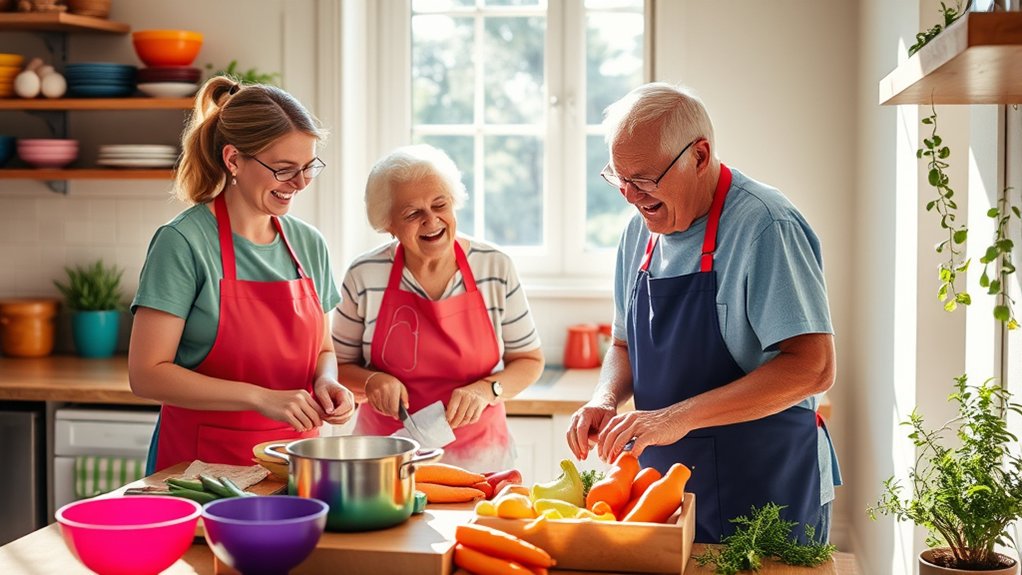
Getting started with cooking programs in respite care can be a rewarding experience for everyone involved. First, assess the dietary needs and preferences of those you’ll be serving. Engage them in the planning process, allowing their voices to shape the menu.
Next, gather a team of volunteers or staff who share your passion for cooking and serving others. Choose simple, nutritious recipes that encourage participation and are easy to follow.
Gather a dedicated team and select easy, nutritious recipes that invite everyone to participate and enjoy the cooking process together.
Create a welcoming kitchen space where everyone feels comfortable and valued. Don’t forget to incorporate fun activities, like themed cooking days or cooking challenges, to keep spirits high. Additionally, consider hosting events that foster connections among participants and the broader community, similar to community gatherings that strengthen local ties.
Finally, celebrate your culinary creations together, fostering a sense of community and joy that enhances the respite care experience.
Frequently Asked Questions
What Age Groups Benefit Most From Cooking Programs in Respite Care?
Cooking programs in respite care benefit various age groups, but children and older adults often gain the most.
Kids engage their creativity and learn essential skills, while seniors find joy in nostalgia and social interaction.
You’ll notice that these programs foster connections and promote well-being across generations.
How Can Dietary Restrictions Be Accommodated in Cooking Activities?
When you plan cooking activities, consider each participant’s dietary restrictions to guarantee everyone can enjoy the experience.
You can ask about allergies or preferences beforehand and select recipes that accommodate these needs. Substituting ingredients is a great way to modify dishes without sacrificing flavor.
Additionally, involving participants in choosing recipes allows them to feel valued and included, creating a more enjoyable atmosphere where everyone can share in the joy of cooking together.
What Types of Cuisines Are Typically Explored in These Programs?
In these programs, you’ll typically investigate a variety of cuisines that celebrate different cultures.
Italian, Mexican, and Asian dishes often take center stage, allowing you to discover unique flavors and cooking techniques. You might also explore Mediterranean or American comfort foods, ensuring everyone can find something they enjoy.
Are Cooking Programs Suitable for Individuals With Dementia or Memory Loss?
Absolutely, cooking programs can be suitable for individuals with dementia or memory loss. They often engage the senses, spark memories, and promote social interaction.
You’ll find that familiar smells and simple tasks can bring joy and comfort. By involving participants in easy, hands-on activities, you create a sense of accomplishment and connection.
It’s important to tailor the experience to individual needs, ensuring everyone feels safe and valued while having fun in the kitchen.
How Are Safety Measures Implemented in Cooking Activities for Vulnerable Individuals?
When planning cooking activities for vulnerable individuals, you prioritize safety by creating a controlled environment. You guarantee all sharp tools are secured and provide supervision at all times.
You use non-slip mats and keep spaces clutter-free to prevent falls. Additionally, you adapt recipes to minimize risks, like using pre-prepped ingredients.