Dancing, Stretching, and Moving Toward Better Senior Health
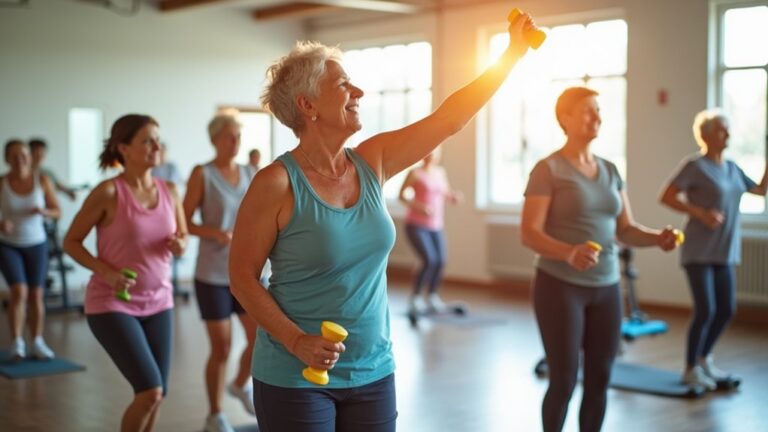
If you’re looking to boost your health as you age, dancing, stretching, and staying active can work wonders. Dance not only strengthens your heart and enhances cognitive functions but also improves balance and coordination, reducing fall risks. Plus, regular stretching keeps your joints flexible and eases tension. Enjoy social connections through group classes while you move. By exploring these activities, you’ll discover even more ways to enrich your senior health journey.
Key Takeaways
- Dancing provides low-impact cardio, enhancing heart health and lowering disease risk for seniors.
- Regular stretching improves joint function and maintains flexibility, reducing stiffness and injury risk.
- Engaging in dance boosts balance and coordination, significantly decreasing the risk of falls among older adults.
- Dance activities foster social connections and emotional well-being, alleviating stress and enhancing mood.
- Incorporating at least one 45-minute dance session weekly promotes overall strength, flexibility, and a healthier lifestyle.
The Health Benefits of Dance for Seniors
When you engage in dance, you’re not just having fun; you’re also reaping considerable health benefits.
Dance provides low-impact cardio, strengthening your heart and lowering the risk of diseases like high blood pressure and stroke. It improves circulation and helps manage blood pressure, making it easier to maintain a healthy weight. Additionally, incorporating adaptive fitness into your dance routine can enhance your overall safety and enjoyment.
You’ll also build muscular strength and endurance, enhancing your ability to perform daily tasks with greater mobility and independence. Plus, dancing considerably boosts balance and coordination, reducing the risk of falls. This activity is also linked to significant improvements in aerobic power, which further enhances your overall physical fitness.
With increased flexibility and mobility, you’ll find everyday movements more manageable. Overall, dance supports your well-being, making it a fantastic way to serve not just yourself, but also those around you by promoting a healthier lifestyle.
How Dance Enhances Cognitive Function?
Dance doesn’t just get your body moving; it also sharpens your mind. Engaging in dance enhances neural synchrony, boosting connectivity within your brain and between others when dancing in groups. This synchronization promotes improved cognitive functions, including better planning and memory recall.
Regular dance practice strengthens your prefrontal cortex, enhancing your executive function and decision-making skills. You’ll find that your working memory and cognitive flexibility improve too. Additionally, dance activates the hippocampus, essential for memory formation, allowing you to recall complex movements with ease. As stress levels decrease through joyful movement, your mental clarity and information processing speed increase. Furthermore, the Synchronicity Hypothesis suggests that this enhanced connectivity fosters deeper social bonds, enriching the overall cognitive experience of dancers.
How Dance Boosts Balance and Coordination
Engaging in dance offers a dynamic way to enhance your balance and coordination. Research shows that 89% of studies found significant improvements in balance through dance, reducing fall risk by strengthening your muscles and improving your gait.
Regular dance classes target arm and leg muscles, boosting your postural stability and overall mobility. Partner dancing and routines sharpen your coordination, while intricate footwork builds muscle memory. Additionally, dance stimulates your motor circuits, enhancing your body awareness and spatial navigation. By participating in group dances, you not only strengthen stabilizing muscles but also gain confidence in your movements. This combination of benefits makes dance an excellent choice for promoting safety and independence in daily life, ultimately allowing you to serve others more effectively. Furthermore, maintaining health through regular dance sessions can significantly reduce risks of chronic illnesses, contributing to a healthier lifestyle. As part of a gentle routine, dance can also foster emotional well-being and provide a sense of purpose.
Why Stretching Matters for Your Joints
Improving your balance and coordination through dance lays a solid foundation for joint health, making stretching an important practice to incorporate into your routine.
Stretching lubricates your joints by promoting the movement of synovial fluid, essential for relieving arthritis symptoms. It enhances the function of your knees, hips, and shoulders, reducing stiffness and discomfort. Additionally, lack of movement can contribute to stiffness, highlighting the importance of regular stretching. Engaging in light physical activity like gardening can further support joint health and mobility.
By keeping your muscles flexible and strong, stretching helps maintain your range of motion, counteracting age-related tightness. It also lowers the risk of joint pain and injury by improving muscle elasticity and circulation.
Ultimately, regular stretching eases tension, enhances mobility, and supports your independence, allowing you to serve others with greater ease and joy.
Prioritize stretching for a healthier, more active life.
How Dance Improves Flexibility and Endurance?
When you participate in dance, you’ll find that it greatly enhances both flexibility and endurance. Dance movements effectively stretch your muscles, addressing age-related stiffness and improving your range of motion for everyday activities like bending and reaching. Additionally, engaging in nature-based activities can further enhance your overall physical well-being. Evidence shows that regular dance can markedly boost lower body muscle endurance, helping you build stamina through low-impact, sustained movements. This form of exercise meets the CDC’s recommendation of 150 minutes of moderate activity each week, promoting cardiovascular health as well. Furthermore, the coordination involved in dance not only encourages flexibility but also strengthens your muscles, enhancing circulation. Ultimately, these benefits lead to greater mobility and independence, allowing you to serve others with confidence and ease. Moreover, participatory arts like dance support healthy aging in older adults, fostering a sense of community and well-being.
The Emotional Benefits of Dance for Seniors
Dance offers seniors a unique way to lift their spirits and enhance emotional well-being. Through movement and music, you can reduce stress, relax tight muscles, and calm your mind. Engaging in respite care can also complement these benefits by providing caregivers the relief they need, allowing seniors to enjoy dance without added stress.
After a dance session, many report feeling lighter and happier, thanks to the endorphins and dopamine released during the experience. Engaging in dance not only alleviates depressive symptoms but also fosters a sense of community and connection. Additionally, dance boosts energy levels through gentle movements, helping seniors feel more vibrant in their daily lives.
As you move, you ground yourself in the present moment, transforming dance into a meditation in motion. By participating in dance classes, you not only improve your emotional health but also build trust and strong bonds with others, reducing feelings of loneliness and enhancing your overall quality of life.
How Dance Prevents Falls Safely?
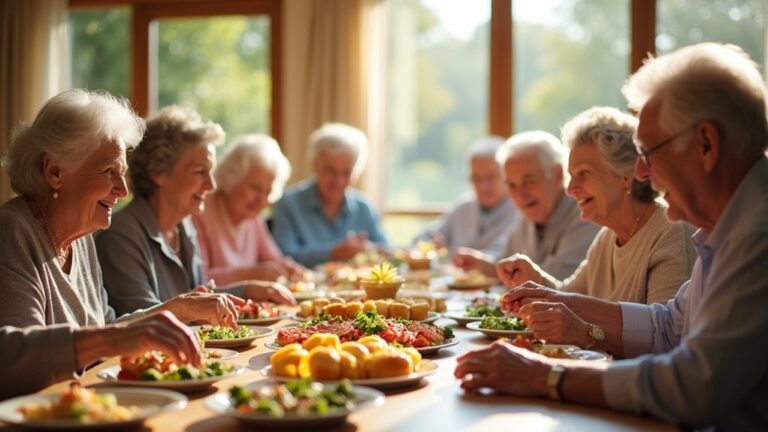
By participating in dance, you’re not just having fun; you’re also greatly reducing your risk of falls. Dance improves your balance through coordinated movements set to music, enhancing your stability. Studies show that dance-based exercises reduce fall risk by over a third compared to traditional activities like walking. Folk and ballroom dances strengthen your lower body muscles and core, essential for preventing falls. Furthermore, dancing improves gait patterns and mobility, fostering better coordination. With a 37% reduction in fall risk reported in dance groups, it’s clear that this joyful activity offers significant benefits, making it vital for preventing falls in older adults. Additionally, shared meals can create opportunities for social engagement, which further contributes to overall well-being.
Making Dance Safe for Seniors
Engaging in dance can be an exciting way to enhance your strength and balance, but ensuring safety is equally important. Start by wearing comfortable, supportive shoes and staying hydrated.
Always warm up before you dance, and don’t hesitate to use a chair or railing for support if needed. Remember to take breaks when you’re tired and avoid any movements that feel uncomfortable. Additionally, incorporating community resources into your dance routine can provide social support and motivation.
Always warm up before dancing, use support if needed, take breaks when tired, and avoid any uncomfortable movements.
Before starting any dance program, especially if you’re over 50, get medical clearance to tailor the activities to your health and fitness level. Choose low-impact styles like ballroom or line dancing, which are gentle on your joints. Additionally, dance can boost brain function, helping to keep your mind sharp as you enjoy the activity.
Finally, create a safe environment, whether at home or in a community center, to fully enjoy the experience.
Incorporating Dance Into Your Weekly Routine
There’s no better way to boost your health and happiness than incorporating dance into your weekly routine. Aim for at least one 45-minute session each week, and you’ll see improvements in strength, balance, and flexibility. Explore various styles, like ballroom, salsa, or even seated dance moves that suit your abilities. Consider using familiar songs to spark joy and make your sessions lively. You can also adapt routines for solo or partner dancing, whether at home or in classes. This fun activity not only lowers stress levels but also promotes social interaction and mental well-being, making it an excellent addition to your routine.
Benefits of Dance: Real-Life Success Stories
While many might think dance is just for the young, real-life success stories show its powerful benefits for seniors.
Take 93-year-old Bruner, who attends bi-weekly ballet classes. She reports improved posture, relaxation, and a happy, pain-free body, thanks to the good music and focused movements. Additionally, studies show that volunteering leads to better health outcomes, which can further enhance the overall well-being of seniors engaged in dance.
Similarly, Morrissey feels wonderful after classes, finding relief from arm and back issues. Dance-based activities have been shown to significantly enhance balance and reduce fall risks in older adults. Group dance fosters community, enhancing social well-being through shared activities. In salsa classes, participants experience significant strength and balance improvements, making daily tasks easier and reducing fall risks.
These success stories highlight how dance not only boosts physical health but also enhances emotional and social connections, proving it’s never too late to embrace this joyful form of movement.
Frequently Asked Questions
What Types of Dance Are Best for Seniors?
For seniors, waltz, tango, and line dancing are great choices. They enhance balance and coordination while being social and fun. Zumba Gold and chair dancing also offer low-impact options for everyone, keeping movement enjoyable and accessible.
How Often Should Seniors Dance for Maximum Benefits?
You should encourage seniors to dance at least once a week for noticeable benefits, but dancing twice weekly can enhance functional improvements even more. Consistency is key to maximizing health outcomes and overall well-being.
Can Dance Be Adapted for Seniors With Limited Mobility?
Absolutely, you can adapt dance for seniors with limited mobility. Gentle chair-based movements enable everyone to participate, promoting circulation and coordination while ensuring safety. It’s all about inclusivity and enhancing their joyful experience.
Are There Any Risks Associated With Dancing for Seniors?
Yes, there are risks associated with dancing for seniors, including falls and injuries due to lower body weakness or medical conditions. It’s crucial to consult a physician before starting any dance program to guarantee safety.
What Equipment or Attire Is Recommended for Senior Dancers?
You’ll want to choose non-slip socks, soft ballet flats, and breathable attire like leotards and tights. Consider using portable barres and resistance bands for strength, plus foam rollers for recovery after your sessions.