
Helping a Parent Feel Seen: Small Ways to Support Identity and Confidence in Assisted Living
To help your parent feel seen in assisted living, encourage social engagement through activities and visits. Create a personal space by decorating with cherished items and involving them in decisions. Share their life stories and celebrate milestones to boost their confidence. Leverage technology for regular check-ins, showing appreciation through small gestures. These steps strengthen identity and self-worth, paving the way for deeper connections and support. Discover even more ways to enhance their experience and well-being.
Key Takeaways
- Encourage participation in social activities to combat loneliness and reinforce their identity through shared experiences and stories.
- Create a personalized living space with familiar items and involve them in decisions to enhance their sense of belonging.
- Celebrate milestones and achievements, recognizing their life stories to boost self-worth and emotional connection.
- Use technology for regular check-ins, ensuring they feel valued and connected to family and friends.
- Express genuine appreciation for their contributions, fostering a positive self-image and emotional closeness through heartfelt conversations.
Encourage Social Engagement and Participation

Encouraging social engagement and participation is essential for your loved one’s well-being in assisted living, as it helps combat feelings of loneliness and isolation.
Join them in activities that spark their interests, whether it’s art classes, game nights, or book clubs. These interactions not only uplift their spirits but also foster connections with others in the community. You can also invite family and friends to visit regularly, creating a supportive network that makes your loved one feel valued. Encourage them to share stories and experiences; it reinforces their identity and boosts confidence. Additionally, participating in community events, such as health and wellness fairs, can provide valuable opportunities for your loved one to connect with others and feel engaged in their surroundings.
Create a Personal Space
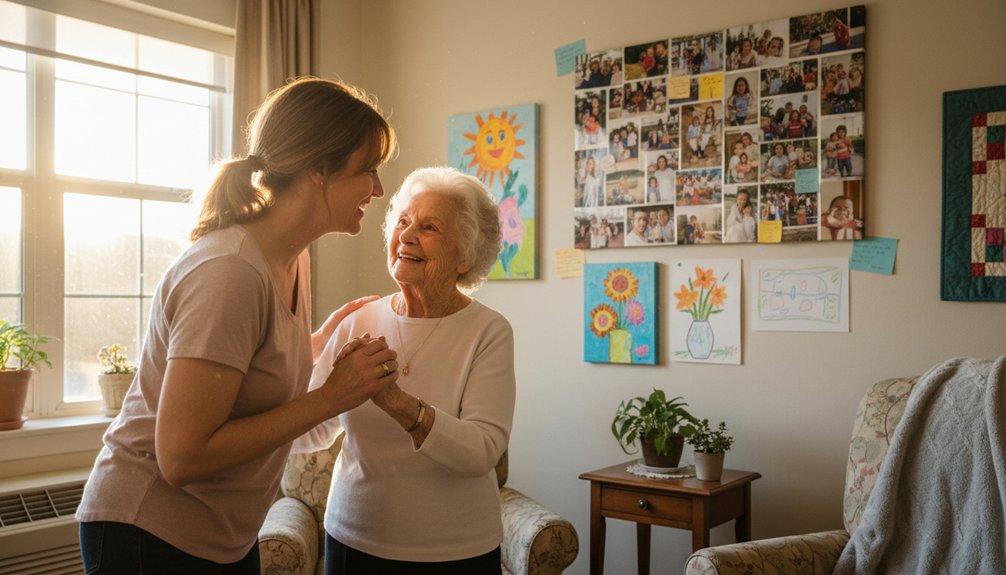
Creating a personal space in assisted living is essential for your loved one’s comfort and sense of belonging. Start by encouraging them to decorate their room with familiar items like family photos, cherished mementos, or favorite blankets. This not only personalizes their environment but also sparks joy and nostalgia.
Help them choose colors and themes that resonate with their personality. Consider adding plants or artwork to bring life into their space. Encourage their involvement in arranging furniture to maximize comfort and functionality.
A cozy reading nook or a small table for hobbies can enhance their daily experiences. By fostering a personalized atmosphere, you empower your loved one to feel at home, reinforcing their identity and boosting their confidence in this new chapter. Additionally, incorporating elements of nature, such as outdoor experiences, can further support their emotional well-being and create a calming environment.
Share Their Life Stories

While reminiscing about the past, sharing life stories can be a powerful way for your loved one to connect with others in assisted living. Encourage them to open up about their experiences, whether it’s a cherished memory from childhood or a significant life event.
You might start by asking open-ended questions that prompt reflection, like, “What was your favorite family tradition?” or “What was your first job like?” These conversations not only validate their identity but also foster connections with peers who may relate to similar experiences.
Consider creating a scrapbook or a journal together to document these stories, making it a meaningful activity. This not only preserves their legacy but also boosts their confidence as they see their life’s journey recognized and valued. Additionally, sharing these stories can enhance emotional enrichment and social engagement within the assisted living community.
Involve Them in Decision-Making
Listening to your loved one’s life stories can naturally lead to a deeper involvement in their daily choices, especially in an assisted living environment.
By engaging them in decision-making, you empower them and reinforce their identity. Ask for their opinions on daily activities, meals, or even décor choices in their living space. When you involve them in these discussions, you show that their preferences matter.
Encourage them to express their thoughts about community events or social gatherings, helping them feel connected and valued. This collaborative approach not only nurtures their confidence but also strengthens your bond. Additionally, this engagement aligns with the facility’s commitment to family-centered care and enhances their overall well-being.
Celebrate Milestones and Achievements
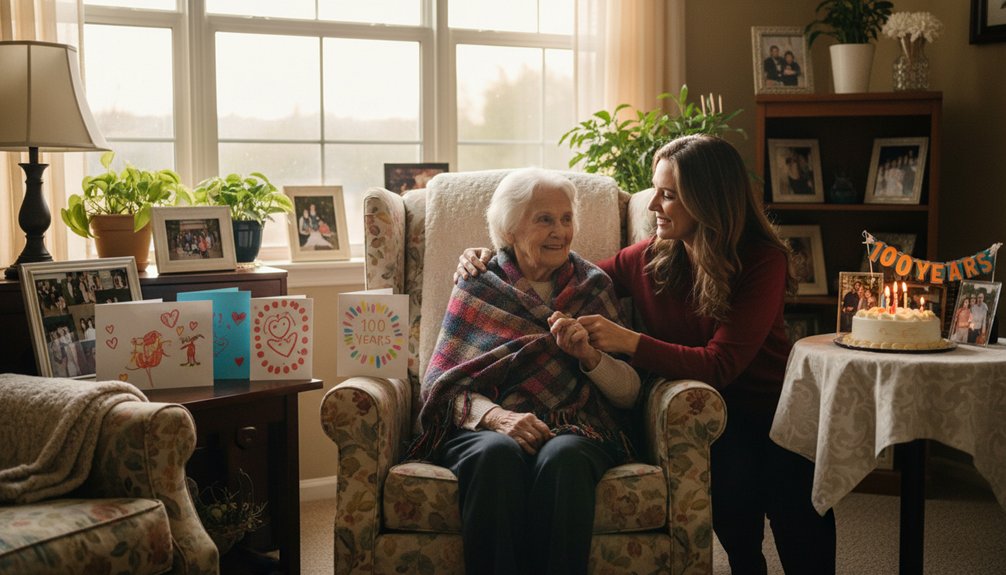
Celebrating milestones and achievements can greatly enhance your loved one’s sense of belonging and self-worth in assisted living. Take the time to acknowledge their accomplishments, big or small.
Whether it’s a birthday, a personal goal reached, or simply a favorite hobby, recognize these moments with enthusiasm. Consider hosting small gatherings or creating a memory board that highlights their journey.
Share stories from their past that showcase their resilience and strength, reinforcing their identity. A handwritten card or a thoughtful gift can also make a meaningful impact. Music through the ages can also be a wonderful way to celebrate, as it helps trigger positive memories and emotional responses.
Your support not only uplifts their spirits but also strengthens your bond, showing them they’re valued and cherished. Together, you can create a joyful atmosphere that celebrates their life and contributions.
Facilitate Connections With Staff and Residents
Building meaningful connections with staff and residents in assisted living can greatly enhance your loved one’s experience. Encourage your parent to engage in daily conversations with caregivers. A simple greeting or a shared smile can foster familiarity and warmth.
You can also help by introducing your loved one to fellow residents during visits. This creates opportunities for friendships and support networks. Invite staff to share stories about their backgrounds or interests; this can make interactions feel more personal.
Attend community events together, where your loved one can mingle with others. By facilitating these connections, you’re not just enhancing their social life—you’re helping them feel valued and understood in their new environment. Volunteering in retirement can also provide enhanced social connections, leading to new friendships and shared experiences.
Promote Hobbies and Interests

While your loved one adjusts to life in assisted living, promoting their hobbies and interests can greatly boost their well-being and happiness.
Encourage them to engage in activities they’ve always enjoyed, whether it’s painting, gardening, or playing cards. Help them find groups or classes within the community that align with their passions.
You can also set up a regular schedule for these activities, making them feel more routine and enjoyable. Share stories or memories related to their interests to reignite their enthusiasm.
By fostering their hobbies, you not only validate their identity but also create opportunities for social interaction and personal fulfillment. Additionally, engaging in community activities can enhance their quality of life and foster connections with others.
Your support can make a significant difference in their daily life, helping them feel valued and seen.
Use Technology to Stay Connected
Staying connected with your loved one in assisted living is essential for their emotional well-being. Technology can bridge the gap, making it easier for you to maintain that crucial connection.
Consider using video calls to share smiles and stories, or send pictures of family gatherings to help them feel included. Encourage your loved one to explore social media, allowing them to reconnect with friends and family.
You might also introduce them to apps designed for games or hobbies they enjoy, fostering engagement and interaction. By embracing technology, you empower your loved one to stay connected with the world around them, enhancing their sense of belonging and confidence. Regular interaction through technology can reduce feelings of isolation and boost their emotional strength.
Every little effort counts in making them feel seen and loved.
Regularly Check-In and Show Appreciation

Checking in regularly with your loved one in assisted living not only strengthens your bond but also lets them know they’re valued. A simple phone call or visit can brighten their day and remind them they’re not alone. During these moments, take the time to listen actively and share stories, creating a space where they feel heard. Expressing genuine appreciation for their life experiences and contributions can greatly boost their confidence. A heartfelt “thank you” for something they’ve done, or even for being who they are, can make a world of difference. Additionally, engaging in personalized care plans can enhance their sense of identity and belonging during this transition.
Frequently Asked Questions
How Can I Encourage My Parent to Make New Friends in Assisted Living?
Encourage your parent to join activities that interest them, like art classes or game nights.
Offer to accompany them at first, helping ease any anxiety.
Suggest they invite a neighbor for coffee or a chat, making connections more personal.
Remind them that everyone’s looking to make friends too, so they’re not alone in this.
Celebrate their efforts and progress, reinforcing their confidence as they step into new social circles.
What Activities Are Available to Promote My Parent’s Hobbies?
To promote your parent’s hobbies, check out the activities offered at their assisted living facility.
Participate in art classes, gardening clubs, or book discussions that match their interests. You can also encourage them to join music or dance sessions, which can spark joy and creativity.
If they enjoy cooking, see if there are culinary workshops. Engage them in these activities, and watch their confidence and social connections flourish!
How Can I Best Communicate With Staff About My Parent’s Needs?
To communicate effectively with staff about your parent’s needs, start by scheduling a meeting to discuss specific concerns.
Be clear and concise about your expectations, and share any relevant history that might help them understand your parent better.
Listen actively to their insights and suggestions.
Establish a rapport so they feel comfortable reaching out to you with updates.
Regular check-ins can foster collaboration, ensuring your parent’s needs are consistently met.
What Technology Is User-Friendly for Seniors to Stay Connected?
User-friendly technology for seniors includes devices like tablets with large screens and simplified interfaces.
Apps like FaceTime or Zoom make video calls easy, while social media platforms like Facebook can help them stay connected.
Consider using smart speakers, which allow voice commands for calling or listening to music.
Setting up these tools for them can enhance their communication and connection with loved ones, making them feel more engaged and involved in their lives.
How Can I Support My Parent’s Independence While in Assisted Living?
You can support your parent’s independence by encouraging them to participate in activities they enjoy and helping them set personal goals.
Offer to assist with decision-making while respecting their choices, and regularly check in on their wellbeing.
Provide them with tools, like a calendar or reminders, to manage their daily tasks.
Finally, foster social connections by arranging visits with friends or family, ensuring they feel engaged and valued in their new environment.