The Importance of Social Connection in Supporting Senior Well-Being
Staying connected is essential for your well-being as a senior. Meaningful relationships boost your emotional health and happiness while helping reduce risks of anxiety and cognitive decline. Regular social interactions can lower blood pressure, improve your immune system, and even enhance your physical mobility. Engaging with others gives you a sense of purpose and belonging. If you want to explore practical ways to strengthen these important connections, there’s a lot more to discover.
Key Takeaways
- Meaningful relationships enhance emotional well-being and boost happiness, crucial for seniors’ overall health.
- Social isolation significantly increases the risk of mental and physical health issues, including anxiety and heart disease.
- Regular engagement in community activities improves cognitive function, memory, and emotional resilience among older adults.
- Genuine social connections lower stress levels and promote healthier lifestyle choices, contributing to longevity.
- Family and caregivers can foster connections through regular visits, shared hobbies, and community involvement to combat isolation.
Why Staying Connected Matters for Seniors
Staying connected matters immensely for seniors, as meaningful relationships can greatly enhance emotional well-being. Engaging with others boosts happiness and morale, making you feel valued and cared for. Regular volunteering can also provide improved mental health, further enriching your connections.
When you participate in community groups, you not only find a sense of belonging but also improve your overall quality of life. Frequent socialization stimulates cognitive functions, enhancing memory retention and reducing the risk of cognitive decline. Moreover, social interaction is linked to improved memory retention and cognitive benefits, making it essential for maintaining mental agility.
Additionally, strong social ties contribute to better physical health, including improved cardiovascular health and better sleep quality. Overall, fostering connections protects against anxiety and depression, enriching your sense of purpose.
Risks of Social Isolation for Seniors
Social isolation poses significant risks for seniors, impacting both physical and mental health. Without regular social interaction, you face increased risks of high blood pressure, heart disease, and obesity. Stress and inflammation can lead to diabetes and other chronic conditions, raising your chances of heart disease and stroke. Mentally, isolation can heighten anxiety, depression, and cognitive decline, with a staggering 50% increased risk of developing dementia. Additionally, lacking daily support makes you more vulnerable to falls and injuries, while sedentary behavior weakens your muscles and balance. Approximately one in four older adults worldwide experience social isolation, making it essential to foster connections that can enhance well-being and longevity. Social connections can play a vital role in combating these risks and improving lives. Promoting shared experiences through communal activities can significantly decrease feelings of isolation and enhance overall well-being.
Mental Health Benefits of Social Engagement
When you engage with others, the mental health benefits can be profound and far-reaching. Social interactions improve your mood and reduce feelings of loneliness, offering emotional stimulation that fosters a positive outlook.
Participating in group activities not only enhances your emotional resilience but also lowers the risk of depression and anxiety. You’ll find that a sense of belonging from these connections mitigates loneliness-related issues and provides protective support against negative feelings. Additionally, social engagement combats loneliness and isolation, reinforcing the importance of maintaining these connections.
Regular social engagement boosts cognitive function, enhancing memory and concentration. As you share hobbies and interests, your self-esteem flourishes, and the genuine connections you build provide a greater sense of purpose, helping you manage stress and improve your overall well-being.
Physical Health Advantages of Social Connections
While many mightn’t realize it, strong social connections can greatly boost your physical health. When you engage socially, you lower your blood pressure and reduce your risk of heart disease and stroke.
These connections encourage healthier eating and sleeping habits, essential for cardiovascular well-being. You’ll also find that your immune system gets a lift, making you less vulnerable to chronic illnesses and speeding up recovery from injuries. Moreover, studies show that individuals with rich social connections reportedly live longer than those with fewer relationships. Technology in senior living further enhances these connections, allowing for easier communication and interaction.
Healthy social connections foster better eating and sleeping habits, boosting your immune system and aiding recovery from injuries.
Being socially active improves your physical mobility, enhancing muscle strength and coordination. With supportive relationships, you’re less likely to fall and more capable of daily activities.
Ultimately, nurturing these bonds can even extend your lifespan. By fostering connections, you’re not just enriching others’ lives; you’re actively promoting your own health and longevity.
Cognitive Health and Social Interaction
Programs that encourage social activities, such as art and music therapy, have shown significant improvements in cognitive performance, particularly in enhancing social engagement among older adults. By prioritizing social connections, you help cultivate a vibrant community that uplifts everyone’s cognitive health and quality of life. These connections are often strengthened through community events that invite participation and foster deeper relationships.
Finding Purpose and Belonging in Community
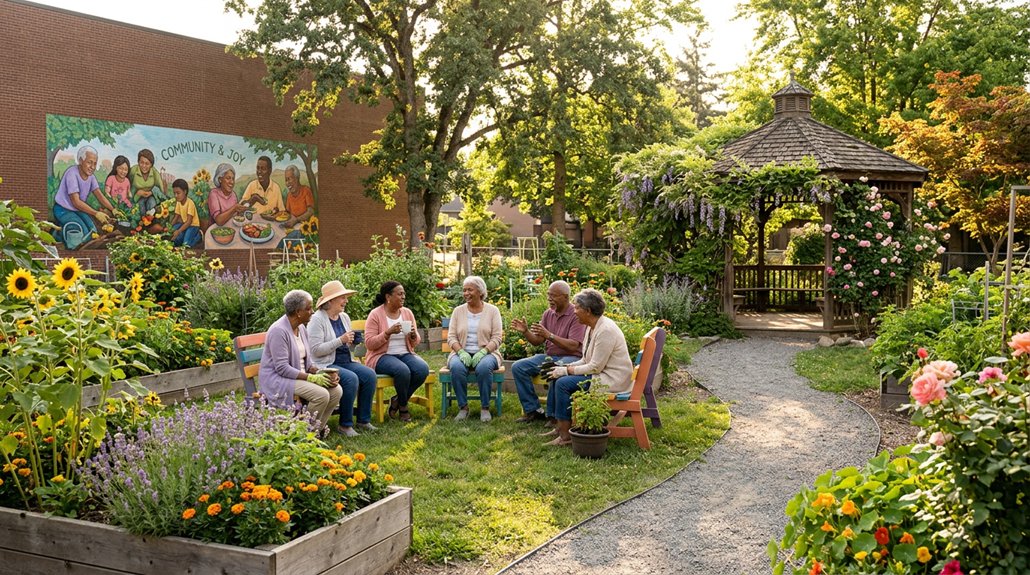
Strong social interactions not only enhance cognitive health but also pave the way for finding purpose and belonging within a community. When you engage with others, you combat loneliness and boost your happiness. Active participation provides mental stimulation, which further enriches your interactions and connections. Engaging in activities like gardening can significantly improve both mental and physical well-being.
Sharing your knowledge and skills in volunteer roles not only enriches your life but also provides a sense of value. You’ll find that your contributions matter, fostering a connection that reinforces your worth.
Volunteering enriches your life and reinforces your worth, showing that your contributions truly matter.
As you participate in community activities, you explore new interests and build lasting friendships, which enhances your emotional well-being. Feeling needed and supported helps you thrive, replacing isolation with a strong sense of belonging.
Together, these elements create a fulfilling environment where both you and your community can flourish.
Practical Ways Seniors Can Build Social Connections
Building social connections can greatly enhance your well-being as a senior, so it’s important to explore practical ways to engage with others.
Consider using technology; video calls and social media can help you stay in touch with friends and family, while online forums offer spaces to share hobbies and experiences. Regular video interactions can also reduce feelings of isolation and depression.
Joining local clubs or groups, like book clubs or gardening teams, allows you to bond over shared interests. Strong friendships provide comfort during challenging times, further reinforcing the benefits of these connections.
Volunteering at local charities fosters friendships and gives you a sense of purpose.
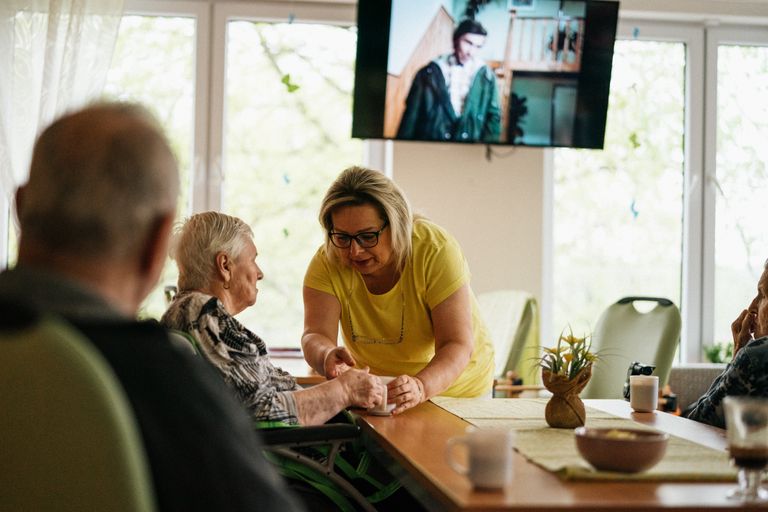
Participating in activities at senior centers, such as board games or movie nights, keeps you socially active.
Finally, attending community events like farmers markets or workshops can create new connections while enjoying enriching experiences.
Community Programs for Seniors’ Social Engagement
Social connections can greatly boost your well-being, and community programs offer a variety of opportunities to engage with others.
Programs like those at the YMCA and SilverSneakers provide fitness classes, helping you stay active while meeting new friends. Local senior centers host educational workshops and social gatherings, making interaction easy and enjoyable.
Fitness classes at the YMCA and SilverSneakers offer a fun way to stay active and make new friends, while local senior centers facilitate enjoyable social interactions.
Joining art or music classes fosters creative expression and strengthens community bonds. Regular participation in these activities enhances social connections, allowing you to build lasting friendships and share experiences. Digital platforms also allow you to connect with others, even from home.
Volunteering in intergenerational projects brings purpose and joy, while regular attendance at clubs or fitness sessions can combat loneliness.
How Can Family and Caregivers Encourage Connections?
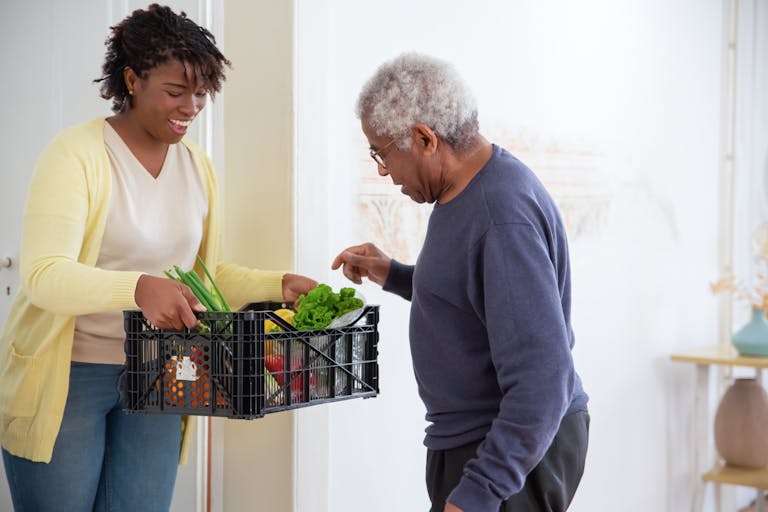
Establish regular visits or phone calls to build a routine that seniors can look forward to. Schedule weekly activities like shared meals or exercise classes to enhance engagement. Use tools like FaceTime or Zoom to keep distant loved ones involved.
Encourage shared hobbies, such as gardening or cooking, to spark conversation and memories. Intergenerational interactions—like inviting grandchildren to share stories—deepen bonds. It’s important to remember that isolation affects health, making these connections even more vital. Engaging seniors in shared meals not only combats loneliness but also invites cherished memories through connection.
Don’t forget to involve seniors in choosing activities, promoting a sense of ownership. Finally, support each other by recognizing signs of isolation and encouraging light outings, ensuring seniors feel connected and valued in their community.
Frequently Asked Questions
How Can Technology Facilitate Social Connections for Seniors?
Technology connects seniors through video calls, social media, and user-friendly devices. You can help them share moments, join online communities, and participate in family events, reducing loneliness and enhancing their overall well-being.
What Role Do Pets Play in Enhancing Social Engagement?
Pets enhance your social engagement by sparking conversations and connecting you with fellow owners. Walking your dog or attending pet events creates opportunities for friendships, reducing loneliness and enriching your sense of community.
Are There Specific Activities That Encourage Socialization Among Seniors?
Yes, activities like group exercise classes, game nights, and creative workshops encourage socialization among seniors. Joining book clubs, volunteering, or participating in community events also fosters connections and enriches everyone’s experience.
How Can Seniors Overcome Shyness or Anxiety in Social Situations?
To overcome shyness or anxiety, start small—smile at others, engage in brief conversations, and establish routines. Gradually challenge yourself with low-pressure social activities to build confidence and enjoy meaningful connections.
What Are the Signs That a Senior Is Socially Isolated?
You might notice signs of social isolation in seniors, like withdrawal from loved ones, disinterest in activities, mood swings, or declining personal care. These behaviors can indicate a need for support and connection.