
Why Daily Support Matters More During Fall and Winter Months
As the days become shorter and temperatures drop, the need for daily support in senior living communities becomes increasingly important. Many older adults may experience feelings of loneliness or fatigue during the fall and winter months. These seasonal changes can elevate the risk of mental health challenges, including conditions like Seasonal Affective Disorder.
To address these challenges, it is essential to foster regular check-ins and connections within the community. Here are some strategies to consider when evaluating support options:
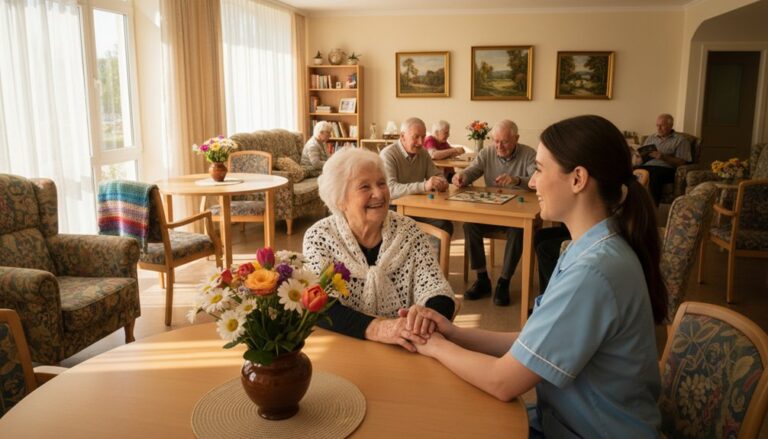
- Regular Social Activities: Look for communities that offer scheduled social events or activities. These can help residents stay engaged and connected with one another.
- Personalized Check-ins: Inquire if the community provides personalized check-ins by staff or volunteers. This can ensure that residents feel cared for and supported.
- Mental Health Resources: Ask about access to mental health resources, such as counseling services or group therapy sessions, which may be beneficial during this time of year.
- Outdoor Access: Consider communities that promote outdoor activities, as exposure to natural light can help alleviate feelings of sadness associated with shorter days.
- Peer Support Programs: Some communities may have peer support programs where residents can connect with one another for mutual support.
By understanding the various support options available, families and caregivers can make informed decisions to enhance the well-being of older adults during the fall and winter months.
Key Takeaways
- Daily support is essential during the colder months, as feelings of loneliness and depression can become more pronounced, particularly among older adults.
- Regular check-ins from family members and caregivers may provide important emotional support, helping to alleviate isolation during the winter season.
- Assistance with medication management and ensuring adequate hydration can be crucial, as cold weather may affect health maintenance.
- Participation in community activities can strengthen social connections, which may help reduce the risk of mood declines in fall and winter.
- Daily support can enhance safety by allowing for regular monitoring of fall risks and health concerns that may arise during harsh weather conditions.
Understanding Seasonal Affective Disorder and Its Impact
Understanding Seasonal Affective Disorder (SAD) and its impact is important for older adults, their family members, and caregivers, particularly as the days grow shorter and darkness becomes more prevalent.
SAD is a type of depression that typically follows a seasonal pattern, often becoming more pronounced in fall or winter and easing as spring arrives. Common symptoms may include persistent sadness, fatigue, and difficulty concentrating, which can significantly affect daily life for several months each year. Winter-pattern SAD can affect approximately 1% to 10% of individuals, with those living in northern regions at a higher risk. It’s also important to note that a personal history of depression or a family background of mood disorders can increase susceptibility. Being aware of these symptoms is crucial; understanding the nature of SAD can empower you to seek support and resources, which can be beneficial for both yourself and others during these challenging months. Research indicates that social isolation can exacerbate feelings of sadness and loneliness, making it essential to foster connections during this time.
When exploring senior living options, it may be helpful to consider communities that offer supportive environments and activities that promote mental well-being, especially during the fall and winter months.
Here are some factors to think about:
- Community Activities: Look for communities that provide engaging activities to counteract feelings of isolation and sadness. Regular social events can help residents connect with one another.
- Natural Light Availability: Consider communities that have ample natural light in common areas and residences, as exposure to sunlight can help alleviate symptoms of SAD.
- Access to Support Services: Inquire about mental health support services available through the community, which may include counseling or therapies tailored to residents’ needs.
- Transportation Options: Check if transportation is available for residents to attend community events or appointments outside the home, which can provide additional social interactions.
Understanding these aspects can help you make informed decisions about the best care setting for you or your loved one, ensuring a supportive atmosphere that acknowledges and addresses the challenges of seasonal affective disorder.
The Role of Social Connections in Mental Health
As the days become shorter and temperatures drop, maintaining social connections is vital for the mental health of older adults. Strong support networks can significantly help alleviate feelings of loneliness, which, if not addressed, can contribute to depression and anxiety. Evidence shows that loneliness and social isolation are linked to increased mental health issues, making it crucial to prioritize these connections during the colder months. Engaging socially through community activities can further enhance cognitive function and emotional resilience.
Regular communication, whether through phone calls or in-person visits, can foster a sense of belonging and purpose during the colder months. Engaging in community activities, volunteering, or sharing meals can be meaningful ways to maintain these connections. Such interactions not only provide emotional support but also practical assistance, enhancing daily life.
By prioritizing reliable social connections, you can cultivate a supportive atmosphere that promotes mental well-being, making it easier for seniors to face the challenges of fall and winter.
When exploring senior living options, consider how the community facilitates social engagement. Questions to ask may include:
- What types of social activities are offered?
- Are there opportunities for residents to volunteer or participate in community events?
- How does the community encourage regular interactions among residents?
These factors can significantly influence a senior’s quality of life and emotional health.
Increased Health Risks During Cold Weather
With shorter days and colder temperatures, older adults may face heightened health risks during the winter months. Cold weather can increase cardiovascular stress, as blood vessels constrict, which may elevate blood pressure and the workload on the heart. This risk is particularly significant for seniors, highlighting the importance of daily support and monitoring.
Additionally, seasonal respiratory infections, including influenza and COVID-19, often see a rise in hospitalizations during these colder months. Cold air can also aggravate chronic conditions such as asthma and chronic obstructive pulmonary disease (COPD), potentially leading to emergency room visits.
Hypothermia is another serious concern for older adults. Even minor drops in temperature can affect bodily functions, making vigilance essential. Daily support can play a vital role in monitoring symptoms, ensuring medication adherence, and promoting adequate hydration, all of which contribute to timely medical care and early detection of potential health risks. Utilizing respite care can further enhance the support provided to seniors and their caregivers during this vulnerable time.
When considering a senior living community or care setting, it’s important to evaluate how they support residents during the colder months, including staffing levels, available medical support, and programs designed to promote wellness and safety.
Your involvement can significantly enhance their well-being during this vulnerable time.
Safety Concerns and Mobility Challenges
During winter, older adults face unique challenges related to safety and mobility. Slippery conditions such as snow and ice can significantly increase the risk of falls, impacting more than one in four seniors annually.
Older adults face increased fall risks during winter due to slippery conditions like snow and ice.
If you’re a caregiver or family member supporting an older adult, it’s crucial to ensure that their pathways are clear and safe. Here are some practical steps to consider:
- Clear Walkways: Regularly check and maintain clear access to entrances and paths. Removing snow and ice can help prevent accidents.
- Assess Mobility Devices: If the older adult uses mobility aids, inspect these regularly. Snow can obstruct accessible routes and reduce traction. Make sure to check batteries and ensure grips are dry to enhance safety. Research indicates that winter mobility products often lack consistent performance data, making it essential to evaluate their effectiveness before use.
- Improve Home Lighting: Adequate lighting can help residents navigate their environment safely. Consider adding brighter bulbs or motion-sensor lights in key areas.
- Encourage High-Traction Footwear: Support older adults in selecting appropriate footwear that provides better grip on slippery surfaces.
By providing consistent daily support and addressing these winter safety concerns, you can help foster a safer living environment for older adults, promoting their independence and confidence during the winter months.
The Importance of Maintaining Routines
Maintaining daily routines can significantly improve the quality of life for older adults, particularly during the fall and winter months when challenges related to safety and mobility often increase.
Here are several practical considerations for caregivers and family members when supporting seniors in maintaining their routines:
- Consistent Sleep-Wake Patterns: Encouraging a regular sleep schedule can help stabilize circadian rhythms, which may reduce feelings of lethargy that are common during darker months. Consistent habits can also offer a sense of control and calm.
- Daylight Exposure: Regular exposure to natural light, through morning walks or outdoor activities, can enhance mood and energy levels. If outdoor activities aren’t feasible, consider bringing light indoors with bright lamps during the day. Urgent help for mental health is crucial for those experiencing significant mood changes during these months.
- Incorporating Physical Activity: Engaging in physical activity, even indoors, is important for combating seasonal declines in movement. Simple exercises or stretches can be beneficial and can be integrated into daily routines. Regular activity can maintain strength and mobility, which is vital for overall health.
- Structured Schedules: Predictable daily schedules provide structure, which can help maintain emotional well-being and reduce feelings of isolation. Familiar routines can provide comfort and emotional stability.
- Connecting with Loved Ones: Regular communication with family and friends can enrich daily routines and ensure that older adults feel supported. This connection can be fostered through phone calls, video chats, or in-person visits. Strong community spirit fosters socialization and engagement, which is essential for emotional health.
By focusing on these elements, caregivers and family members can help create a more fulfilling and stable winter experience for older adults.
When evaluating senior living options, consider how these routines can be supported within the community, as services and amenities may vary by provider.
Addressing the Need for Practical Support
As colder temperatures approach, it’s important to consider practical support options for older adults who may be at a higher risk for health and safety concerns.
To help ensure their well-being, consider the following areas of support:
- Health Monitoring: Regularly check indoor temperatures and be aware of any symptoms related to cold exposure. If necessary, arrange for medical assistance promptly, as effective emergency response can be critical in preventing serious health issues.
- Fall Prevention: Keep walkways clear of snow and ice, apply traction materials, and ensure adequate lighting in common areas to help reduce the risk of falls. Additionally, be mindful of common winter risks like icy conditions that can contribute to accidents.
- Transportation: Offer assistance with grocery shopping and getting to medical appointments to help limit exposure to hazardous conditions during winter months.
- Food and Supplies: Coordinate meal deliveries and medication refills to ensure access to essential items without unnecessary travel.
The Emotional Toll of Winter Isolation
The emotional impact of winter isolation can be significant for older adults, particularly as the days become shorter and colder. Research indicates that approximately 41% of U.S. adults experience a decline in mood during the winter months. For seniors, loneliness can exacerbate feelings of depression, anxiety, and stress, making it crucial to recognize the signs of emotional distress. Additionally, top winter mood boosters such as spending time with friends and family can help mitigate these feelings. Kindness in senior care is essential in creating a nurturing environment that helps combat isolation.
Social disconnection often becomes more pronounced in winter due to transportation difficulties and hazardous weather conditions, which can limit opportunities for face-to-face interactions. For older adults, the risk of depression can increase notably; studies show that nine in ten seniors who feel lonely also report unhappiness.
To address these challenges, it’s important to foster connections and provide support during the winter months. Some practical steps to consider include:
- Regular Check-ins: Family members and caregivers can make a point to reach out frequently, whether through phone calls, video chats, or in-person visits when possible.
- Community Engagement: Many senior living communities offer activities and social events designed to keep residents engaged and connected. Exploring these options can be beneficial.
- Transportation Services: Check if the senior living community provides transportation services for outings or appointments, as this can help seniors maintain social connections.
- Local Resources: Look for local organizations that provide support services for older adults, such as meal delivery or companionship programs.
Being proactive in creating supportive environments can greatly enhance emotional well-being and help combat feelings of isolation during the winter months.
Strategies to Foster Daily Engagement
Finding ways to foster daily engagement during the fall and winter months is essential for maintaining both physical and emotional well-being for older adults. Establishing consistent daily routines can be beneficial. Regular meal and activity times help regulate the body’s internal clock, which can be particularly important in a senior living community.
Consider prioritizing indoor physical activities such as dancing, walking in shopping malls, or participating in exercise videos. These activities can often be easily integrated into daily schedules and can help residents stay active. Engaging in regular physical activity can significantly reduce fall risk, improving muscle strength, balance, and coordination.
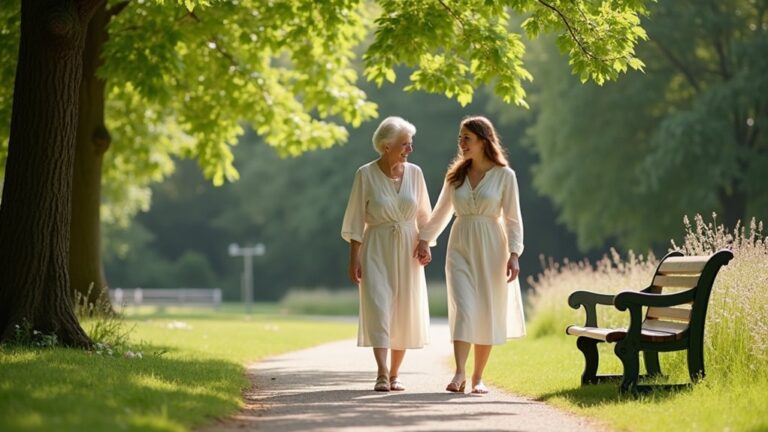
Whenever possible, take advantage of daylight by scheduling outdoor activities. Natural light is crucial for mood and energy levels. Additionally, integrating social participation can enhance motivation. Forming walking groups or joining fitness classes with friends or other residents in the community can create a supportive environment that encourages regular engagement.
It is also important to adapt engagement plans to seasonal barriers. Focusing on enjoyable activities that are suitable for the current weather can help residents stay active and connected to others.
Always remember that the options for engagement may vary widely depending on the specific community or care setting, so it’s advisable to inquire about the available programs and activities when considering different senior living options.
Cultivating a Supportive Environment for Well-Being
Creating a supportive environment for well-being during the fall and winter months is essential for enhancing the quality of life for older adults. Here are important considerations to keep in mind:
- Enhance Light Exposure: Ensuring bright and comfortable indoor spaces that allow for natural light can help counter the effects of shorter daylight hours. This can positively influence mood and alertness, contributing to a more pleasant living experience. In fact, light therapy is a first-choice treatment for Seasonal Affective Disorder, highlighting the importance of light exposure during these months.
- Encourage Social Connections: Regular communication with family and friends is vital. Social support can’t only help identify any changes in health or behavior but also encourage seeking professional assistance when needed.
- Maintain Healthy Indoor Conditions: It’s important to ensure that living environments have comfortable temperatures and good air quality. These factors can significantly affect emotional well-being, which is essential for overall health.
When exploring senior living options, consider how these elements are integrated into the community or care setting. Services and amenities can vary widely, so understanding how each community approaches these aspects will help in making an informed decision.
Frequently Asked Questions
How Can I Recognize Signs of Seasonal Mood Changes in Myself?
To recognize signs of seasonal mood changes in yourself, it’s important to monitor your emotional well-being throughout the year. Here are some indicators to consider:
- Persistent Sadness: Pay attention to feelings of sadness or emptiness that seem to linger for most days. This can be a sign of seasonal mood changes.
- Loss of Interest: Notice if you have lost interest in activities or hobbies that you once enjoyed. A decline in engagement can indicate a shift in mood.
- Concentration Issues: Difficulty concentrating or making decisions may also signal a change in your emotional state.
- Fatigue: Increased fatigue, even after a full night’s sleep, can be another sign. It’s important to assess your energy levels regularly.
- Sleep Patterns: Changes in your sleep patterns, whether sleeping too much or too little, are important to track as they can impact your overall mood.
- Cravings: Pay attention to cravings for carbohydrates or changes in appetite, as these can also indicate mood fluctuations.
- Social Withdrawal: If you find yourself withdrawing from social activities or feeling hopeless, this could be a significant change that warrants attention.
If you observe several of these signs, it may be valuable to consider reaching out for support.
Engaging with a healthcare professional or a trusted friend can provide insight and assistance in managing these feelings, particularly in a senior living community where support is available.
Remember that recognizing these signs early can help you maintain your well-being.
What Are Effective Ways to Stay Socially Connected During Winter?
To maintain social connections during winter, consider the following practical strategies that can be beneficial for older adults and their families:
- Regular Gatherings: Organize consistent meet-ups, such as coffee catch-ups or game nights, with friends or family. These gatherings can provide a comforting routine and a chance to engage socially.
- Community Involvement: Look for local classes or community events. Participating in these activities can offer opportunities to meet new people and foster friendships, enhancing one’s social network.
- Digital Communication: Utilize technology to stay connected. Scheduling video calls or group chats can help maintain relationships, especially in cold weather when going out may be less appealing.
- Volunteering: Engaging in volunteer work not only allows older adults to give back to the community but also creates avenues for forming new connections with like-minded individuals.
- Outdoor Activities: Consider inviting a neighbor for a brief outdoor walk. Staying active in the winter months can combat feelings of isolation and promote a sense of community.
These methods can support older adults in maintaining their social ties and enhancing their overall well-being during the winter season.
How Can I Support Someone Experiencing Loneliness in Winter?
To support an older adult experiencing loneliness during the winter months, it can be helpful to maintain regular communication through phone calls or text messages.
Establishing a routine of contact can foster a sense of connection and reassurance.
Consider scheduling specific activities together, such as a winter walk or sharing a meal.
These moments can create opportunities for meaningful interaction and companionship.
Listening attentively to their feelings without immediately offering solutions demonstrates that you value their experiences and emotions.
Encouraging participation in local events or community groups can also be beneficial.
Many communities offer activities specifically designed for older adults, which can help reduce feelings of isolation.
If mobility or other factors complicate attendance, explore remote options for engagement, such as virtual events or online classes.
Be aware of signs that may indicate deeper emotional challenges.
If feelings of loneliness persist, gently suggesting that they consider professional support, such as counseling, can be an important step in addressing their emotional well-being.
What Activities Can I Do Indoors to Boost My Mood?
To enhance mood and emotional well-being for older adults indoors, consider engaging in a variety of activities that can be beneficial:
- Physical Exercise: Activities such as dancing, low-impact aerobics, or gentle yoga can help release endorphins, contributing to a more positive outlook.
- Creative Hobbies: Exploring creative outlets like painting, writing, or trying new recipes can stimulate the mind and provide a sense of accomplishment.
- Social Connection: Maintaining social ties is important. Scheduling virtual game nights or book clubs with friends or family can help foster connections and reduce feelings of isolation.
- Mindfulness Practices: Incorporating practices such as meditation or deep breathing exercises can promote relaxation and help manage stress.
These activities may help create a supportive and uplifting environment, particularly for residents in senior living communities or those receiving care at home.
It’s important to explore which activities resonate best with individuals’ interests and capabilities.
How Can I Create a Safe Environment at Home During Winter?
To create a safe environment at home during winter, consider the following steps:
- Inspect Heating Systems: It’s advisable to schedule an annual cleaning and inspection of furnaces and chimneys to ensure they’re functioning properly and safely.
- Carbon Monoxide Safety: Installing carbon monoxide alarms near sleeping areas is crucial. Testing these alarms monthly can help in early detection of any potential hazards.
- Moisture Control: Maintaining indoor humidity levels between 30-50% is important for comfort and health. Using exhaust fans in kitchens and bathrooms can help manage moisture effectively.
- Prevent Slips: Clearing walkways of snow and ice is essential for safety. Additionally, ensuring proper lighting in and around the home can help prevent slips and falls.