How Daily Structure Helps Seniors Feel Independent and Supported
Daily structure can greatly enhance your sense of independence and support. Having a routine provides stability and control, helping reduce anxiety and confusion. Engaging in meaningful activities like gentle exercise, puzzles, or social interactions boosts your mood and energy. Consistent schedules foster connections with caregivers and loved ones. Plus, tailoring your routine to your preferences makes it more enjoyable. If you’re curious about practical strategies and real-life examples, there’s more to discover.
Key Takeaways
- Establishing a routine provides stability, promoting a sense of control and independence for seniors in their daily lives.
- Engaging in structured activities enhances mental stimulation and social interaction, fostering emotional well-being and connection.
- Regular routines reduce anxiety and confusion, making daily navigation more manageable for seniors.
- Flexibility in routines allows for personalized adjustments, ensuring that seniors feel empowered and involved in their day-to-day activities.
- Family and caregiver support in developing routines enhances seniors’ confidence, reinforcing their sense of independence and belonging.
The Importance of Routine for Seniors
Establishing a routine is essential for seniors, as it provides structure and stability to their daily lives. When you help seniors create a consistent daily schedule, you’re promoting a sense of control and independence.
Routines can reduce anxiety and confusion, making it easier for them to navigate each day. You’ll notice how a regular pattern can enhance their overall well-being, allowing them to anticipate activities and feel secure in their environment.
By integrating familiar tasks and moments of rest, you’re fostering both physical and mental health. Encouraging a routine not only empowers seniors but also strengthens their connections with caregivers and loved ones, reinforcing a supportive atmosphere that everyone benefits from. Additionally, establishing daily structure can significantly enhance their emotional well-being, providing comfort during unpredictable times.
Your effort truly makes a difference in their lives.
Activities to Include in a Structured Day
A well-structured day for seniors should include a variety of activities that address both physical and mental well-being.
Start the morning with gentle stretching or a short walk to boost energy and flexibility. Incorporate engaging puzzles or reading time to stimulate the mind.
Midday, consider group activities like art classes or cooking sessions, promoting social interaction and creativity.
After lunch, light gardening or nature walks can connect seniors with the outdoors, enhancing mental well-being through nature.
Finally, end the day with calming activities such as meditation or listening to music, fostering relaxation.
Steps to Create a Structured Daily Routine
Creating a structured daily routine for seniors can greatly improve their quality of life, as it provides a sense of stability and purpose.
Start by identifying key activities that matter most to them, like meals, exercise, and hobbies. Next, set specific times for each activity to create predictability.
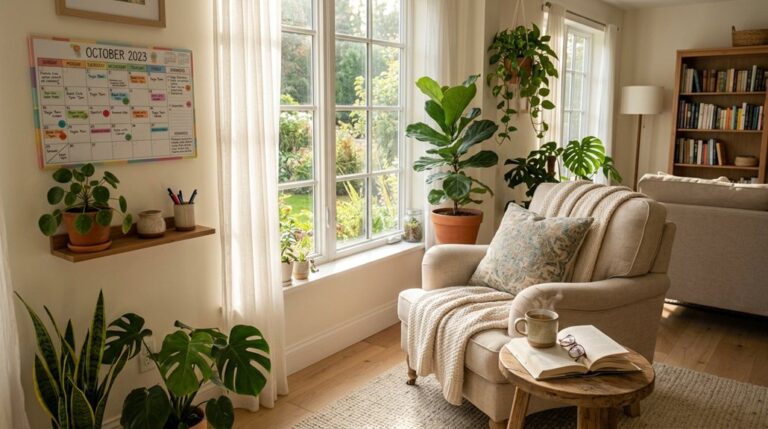
Use visual aids, like a calendar or checklist, to help them stay on track. Encourage flexibility; routines should adapt to their needs and preferences.
Incorporate moments for relaxation and self-care to promote well-being. Finally, regularly review the routine together, making adjustments as necessary. This collaborative approach empowers seniors, reinforcing their independence while ensuring they feel supported and engaged in their daily lives. Additionally, integrating social engagement opportunities can enhance their sense of community and belonging.
How Social Interaction Enhances Daily Routines
While daily routines provide structure, incorporating social interaction can greatly enhance their value. When you engage with others, whether through a chat over coffee or a shared activity, you create a sense of belonging and purpose.
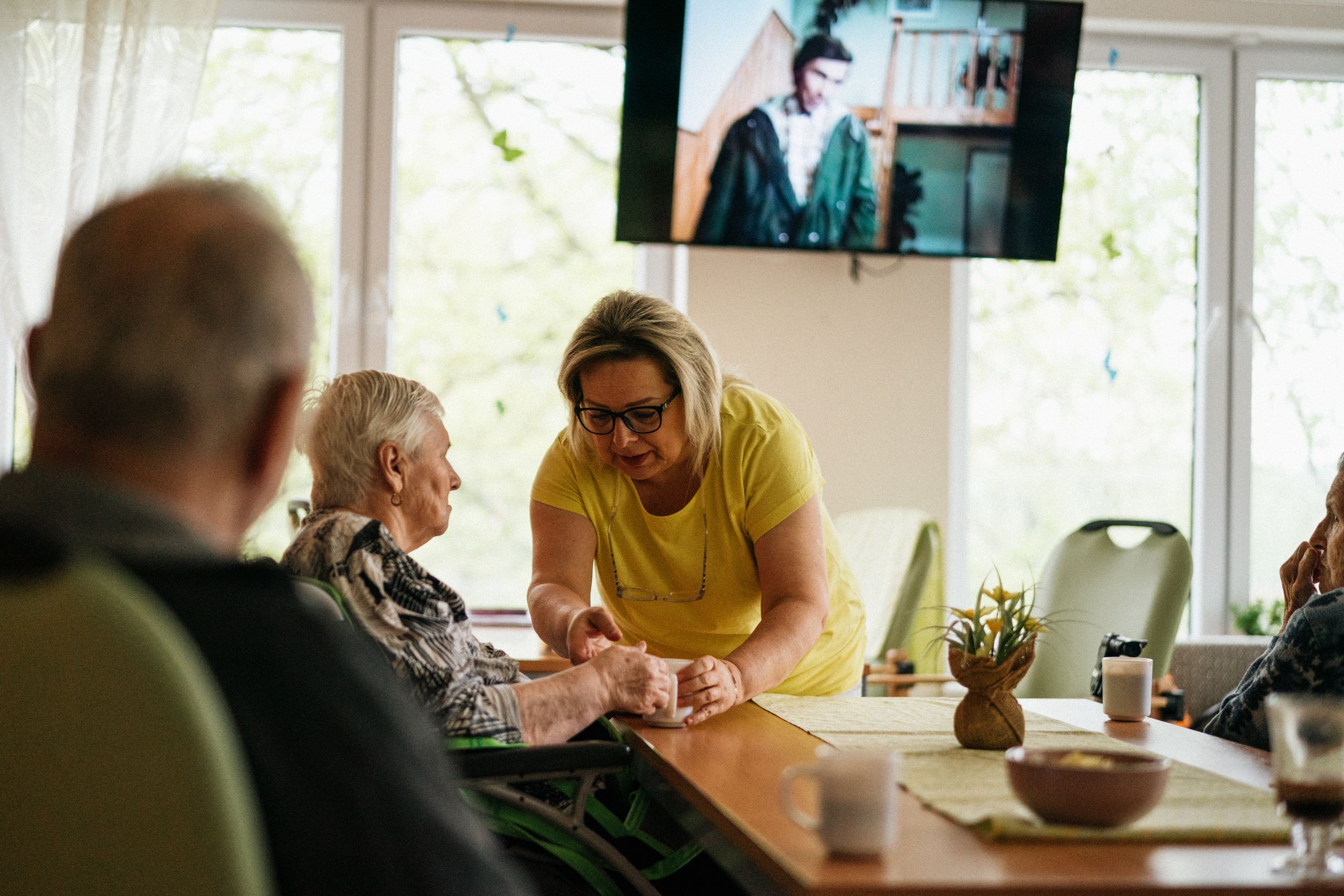
These connections can make daily tasks feel less isolating and more enjoyable. For instance, cooking together can turn a simple meal into a bonding experience, while walking with a friend encourages both physical activity and conversation. Shared meals in senior living foster community and connection, transforming mealtimes into joyful experiences.
You’ll find that these interactions not only lift spirits but also motivate you to stick with your routines. By fostering relationships, you empower each other to embrace daily activities and maintain a vibrant lifestyle.
Tailoring Routines to Individual Needs
** Flexibility is key; allow room for spontaneity while maintaining structure. Regular check-ins can help you gauge their mood and energy levels, making it easier to adjust activities accordingly. Encourage participation in decision-making, as this fosters a sense of ownership and independence. Ultimately, by customizing routines, you not only enhance their daily experience but also show that you genuinely care about their well-being and happiness. Additionally, promoting social connections can significantly improve their overall quality of life.
Overcoming Challenges to Daily Structure
Although establishing a daily structure for seniors can be rewarding, it often comes with its own set of challenges. You might face resistance from seniors who prefer spontaneity or feel overwhelmed by new routines.
To overcome this, start small; introduce one new activity at a time. Keep communication open, encouraging them to share their thoughts and concerns. Flexibility is key—adapt the structure as needed based on their feedback.
It’s also important to take into account physical limitations; make sure activities are accessible and enjoyable. By fostering a sense of ownership in the process, you empower seniors to embrace their daily structure. Additionally, consider incorporating self-care strategies to help seniors manage stress and enhance their overall well-being.
Family and Caregiver Support for Routine Development
To create a successful daily routine for seniors, family members and caregivers play an essential role in the process. You can start by engaging your loved one in conversations about their preferences and interests. Encourage them to share what activities they enjoy, and incorporate those into their routine.
Together, set achievable goals and create a flexible schedule that allows for spontaneity. Regular check-ins can help assess what’s working and what isn’t, ensuring the routine remains effective. Additionally, implementing strategies for lasting well-being can significantly enhance their daily experience.
Don’t forget to provide emotional support; your encouragement can boost their confidence and independence. By actively participating in this journey, you’ll help them feel valued and empowered, making daily life more enjoyable and meaningful for both of you.
Using Technology to Enhance Daily Routines
Incorporating technology can markedly enhance daily routines for seniors, making activities more engaging and manageable. Simple devices like tablets and smartphones can keep seniors connected with family and friends, offering video calls that help combat loneliness. Health apps can remind them to take medications, track exercise, or even provide guided workouts tailored to their abilities. Smart home devices can simplify daily tasks, from adjusting lighting to setting reminders for important events. Additionally, user-friendly apps can facilitate instant communication, ensuring seniors stay connected with loved ones and strengthen their social interactions.
Practical Strategies for Building Successful Routines
When you establish a daily routine, it can create a sense of stability and purpose in your life. Start by identifying key activities you enjoy, like reading, gardening, or socializing.
Break your day into manageable blocks; this makes tasks feel less overwhelming. Incorporate regular meals and exercise to boost your energy and mood.
Breaking your day into manageable blocks can ease overwhelm, while regular meals and exercise enhance your energy and mood.
Use reminders, whether through a calendar or a simple checklist, to keep you on track. Don’t forget to build in time for relaxation and reflection; this helps maintain balance.
Invite family or friends to join in activities, fostering connection and support. Remember, it’s about consistency, not perfection, so adjust your routine as needed to guarantee it serves your well-being and independence. Additionally, consider integrating smart devices into your routine to enhance your connections and support systems.
Real-Life Examples of Seniors Thriving With Routines
While many seniors face challenges in their daily lives, those who embrace structured routines often find renewed purpose and joy.
Take Mrs. Thompson, for instance; she starts her mornings with a gentle walk, followed by reading her favorite book. This routine not only keeps her active but also sparks conversations with neighbors.
Similarly, Mr. Garcia has found fulfillment in volunteering at a local food bank every Thursday. His consistent schedule allows him to connect with others and contribute to his community.
These examples show that daily routines help seniors feel accomplished and connected. By fostering activities they love, seniors can maintain their independence while enjoying a supportive network, proving that structure truly enhances their quality of life. Community events and celebrations play a vital role in promoting these connections and enriching their experiences.
Frequently Asked Questions
How Can Daily Structure Impact Mental Health for Seniors?
Daily structure can greatly boost mental health for seniors. It provides routine, reduces anxiety, and fosters a sense of purpose. When you create consistent schedules, you help them feel more secure and engaged in life.
What Are Common Misconceptions About Routines for Seniors?
Many think routines restrict seniors’ freedom, but that’s not true. Instead, structured days can enhance their independence, provide purpose, and foster connections. Embracing routines often leads to greater well-being and a sense of control.
How Do Cultural Differences Affect Daily Routines for Seniors?
Cultural differences shape seniors’ daily routines by influencing their values, social interactions, and meal practices. Understanding these nuances helps you tailor support, fostering respect and connection while promoting their independence and well-being.
What Role Does Nutrition Play in a Structured Day for Seniors?
Nutrition fuels seniors’ energy and well-being throughout the day. By planning balanced meals and snacks, you help them maintain strength and focus, enhancing their daily activities and promoting a healthier, more fulfilling lifestyle.
How Can Pets Contribute to a Senior’s Daily Routine?
Pets bring joy and companionship, encouraging you to establish routines. Walking them daily boosts physical activity, while feeding and caring for them fosters responsibility, creating a fulfilling structure that enhances a senior’s sense of purpose and connection.