
Why Daily Comfort and Routine Matter in Assisted Living
In a senior living community, daily comfort and routine are vital in promoting emotional security for residents. Having a predictable schedule can significantly alleviate feelings of anxiety and disorientation, particularly for older adults with dementia.
Familiar activities and structured routines not only support physical and cognitive functions but also enhance overall quality of life. Understanding how these elements contribute to well-being can be instrumental when exploring care options.
Here are some specific aspects of routine that can be beneficial:
- Consistent Meal Times: Regularly scheduled meals can help maintain healthy eating habits and provide a sense of stability.
- Engaging Activities: Participating in familiar and enjoyable activities can stimulate cognitive function and foster social connections.
- Daily Exercise: Incorporating physical activity into the daily routine can improve physical health and mobility.
- Personal Care Schedules: Consistent times for personal care can help residents feel more comfortable and secure.
- Relaxation Time: Scheduled periods for rest or quiet activities can provide necessary downtime, allowing residents to recharge.
When researching senior living options, consider how the community structures daily routines and what activities are available. Asking specific questions about the daily schedule can help you determine if it aligns with the needs and preferences of you or your loved one.
Key Takeaways
- Predictable routines can provide emotional security for older adults, particularly those living with dementia. This structure helps reduce anxiety and feelings of disorientation, contributing to a calmer living environment.
- Consistent daily schedules often enhance residents’ sense of control and dignity, which can positively impact their overall well-being.
- Personalizing living spaces is important for fostering emotional connections. This can significantly contribute to residents’ psychological resilience and satisfaction within their community.
- Participating in structured activities is beneficial for physical health, cognitive function, and mental well-being. These activities can enrich residents’ quality of life in meaningful ways.
- Comfortable and accessible environments typically encourage social interaction among residents. This can foster a sense of belonging and help alleviate feelings of isolation.
The Importance of Predictable Routines for Emotional Security
When considering senior living options for older adults, the role of predictable routines is crucial, particularly for those who may be experiencing dementia. Consistent daily schedules can provide emotional security, helping to reduce feelings of disorientation and anxiety.
When routines are stable, they can replace uncertainty with comfort, allowing residents to feel safe and secure in their environment. Having structured days helps residents understand what to expect, which can enhance their sense of control and dignity. Daily routines also serve to conserve mental energy by minimizing decision-making, further alleviating feelings of stress. Additionally, incorporating simple exercises into daily routines can enhance physical health and contribute to overall well-being.
Familiarity with personal care routines and mealtimes contributes to emotional stability, while visible daily plans offer reassurance. Caregivers who implement regular patterns can foster a calming atmosphere that promotes emotional well-being.
As you explore different senior living communities, consider the following aspects related to daily routines:
- Consistency: Look for communities that prioritize regular schedules, as this can help reduce stress for residents.
- Familiarity: Inquire about how the community approaches personal care and meals to ensure they align with residents’ preferences and routines.
- Communication: Ask how caregivers communicate daily plans and changes to residents, which can further support emotional security.
- Environment: Observe the overall atmosphere to see if it feels nurturing and supportive of residents’ dignity and self-identity.
Ultimately, predictable routines can significantly contribute to a nurturing environment where older adults thrive emotionally and socially.
Maintaining Physical and Cognitive Function Through Consistent Activities
To maintain both physical and cognitive function as you age, engaging in consistent activities is essential. Regular therapeutic exercise, ideally at least three times a week, can significantly enhance daily living abilities. This type of exercise can help improve mobility, strength, and balance, which are essential for safer movement and ambulation. Incorporating adaptive fitness programs can further tailor activities to individual abilities, ensuring safe participation.
Engaging in regular therapeutic exercise is vital for enhancing mobility, strength, and balance as we age.
Structured group exercises can also contribute to better physical health while simultaneously enhancing cognitive skills, such as attention and memory. Programs that incorporate both physical and cognitive challenges often provide meaningful benefits, enhancing overall well-being. Additionally, remote access options may be available to assist residents in participating in these programs from their own homes.
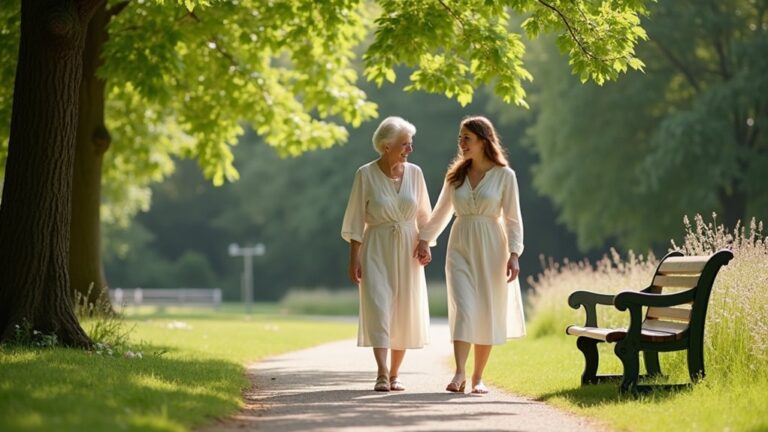
Even light activities, like walking or chair exercises, can be beneficial when integrated into daily routines. Prioritizing these consistent activities is important, as they can foster greater independence and enrich the quality of life for residents in senior living communities.
When researching care options, consider communities that offer a variety of exercise and engagement programs that align with individual preferences and needs.
Enhancing Comfort and Quality of Life in Assisted Living Environments
Creating a comfortable and enriching environment in senior living communities is essential for enhancing residents’ quality of life. This environment can significantly influence their daily experiences and emotional well-being.
Here are some key elements to consider when researching assisted living options for yourself or a loved one:
- Physical Environment: Look for communities that prioritize accessible spaces, cozy lounges, and inviting gathering areas. These features can encourage social interaction among residents, which is important for overall well-being.
- Social Connections: Engaging opportunities for residents to connect with one another can enhance their sense of belonging and happiness. Consider asking about the community’s social activities and programs that facilitate these interactions.
- Comfort and Amenities: Familiar and supportive settings can contribute to residents’ satisfaction. It’s beneficial to inquire about the quality of food, available activities, and how the community ensures daily comfort. The increasing number of assisted living facilities in recent years reflects a growing recognition of the need for such environments.
- Emotional Well-Being: A home-like atmosphere can promote social cohesion and help reduce conflict. Ensuring that residents feel secure and respected is crucial for their emotional health.
When evaluating assisted living options, consider how each community meets these criteria, as services and amenities can vary widely.
Asking specific questions about social opportunities, the physical layout, and support services can help you make a more informed decision for yourself or your loved one.
Balancing Autonomy and Support in Daily Routines
Balancing autonomy and support in daily routines is crucial for enhancing the quality of life in senior living communities. Allowing residents to select their wake-up times, meal schedules, and activities empowers them to maintain control over their day. This sense of autonomy can boost confidence and contribute positively to overall well-being. Perceived autonomy is essential for increasing satisfaction with daily routines, making it even more important to incorporate choices into residents’ lives. Additionally, predictable routines create a foundation of stability and security, which further enhances emotional well-being.
To achieve this balance, consider the following strategies when researching options for yourself or a loved one:
- Flexible Schedules: Look for communities that offer options for meals and activities tailored to residents’ preferences. This flexibility can enhance daily satisfaction.
- Staff Collaboration: Consistent staff assignments can help build rapport between residents and caregivers, ensuring that support is personalized and responsive to individual needs.
- Encourage Self-Care: Communities that promote participation in daily tasks within residents’ capabilities can foster independence and a sense of accomplishment, ultimately boosting cognitive function and enriching their lives.
When exploring senior living options, asking about these aspects can help you find a community that aligns with your or your loved one’s needs and preferences.
Fostering Community Belonging Through Social Design
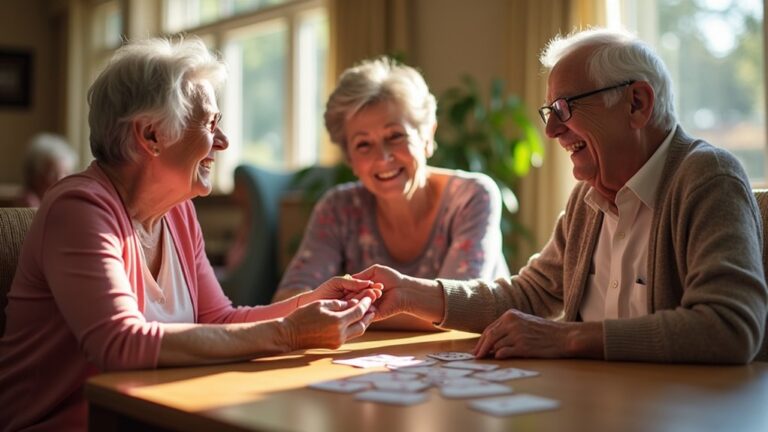
When exploring communal spaces in senior living communities, it’s important to understand how thoughtful design can enhance a sense of belonging for residents. Accessible kitchens and dining areas are key features that promote social interaction, while designated “connection zones” with comfortable seating encourage informal conversations. Such environments can significantly help diminish feelings of loneliness and isolation among older adults. Shared experiences in these spaces not only foster connections but also create routine interactions that strengthen relationships. Additionally, fostering social connectedness is crucial for enhancing seniors’ quality of life and well-being.
Consideration of transitional spaces, such as balconies and gardens, can effectively link private rooms to communal areas, allowing for casual social interactions. Additionally, fostering small peer micro-communities within the larger setting can provide mutual support, helping residents develop a shared identity.
Balancing privacy with accessibility is crucial to ensure that residents feel valued and integral to the community.
Social programming is another vital aspect that can enhance engagement. Thoughtful activities and events help every resident feel connected and appreciated within their surroundings.
When researching different care options, consider how these elements are incorporated into the community you’re evaluating and ask about specific programs and design features that promote connection and belonging.
Specialized Routines for Residents With Dementia or Higher Needs
Establishing specialized routines for residents with dementia or higher needs can significantly improve their quality of life and well-being. Structured daily schedules that include consistent wake-up, meal, and sleep times can reduce feelings of agitation and confusion. Organizing the day around shared meals creates predictable segments that help residents feel more oriented and engaged.
Tailoring activities to individual interests and abilities is essential for minimizing challenging behaviors. Incorporating memory-focused and rhythm-based programs, along with everyday tasks like making coffee or setting tables, encourages participation in daily living activities while supporting emotional stability. Additionally, structured activities can reduce agitation and enhance mood, creating a more positive environment for residents. A strong sense of purpose boosts mental health, providing direction and resilience against stressors.
Furthermore, integrating sensory and relaxation techniques, such as soothing music or time spent outdoors, can promote calmness. This holistic care approach emphasizes compassion and understanding for those with higher needs.
When considering care options, it’s important to inquire about how the community implements these routines and activities, as they may vary widely among providers.
Look for communities that prioritize personalized care plans and offer a variety of engagement opportunities tailored to residents’ preferences.
The Role of Environmental Quality in Resident Well-Being
Creating a comfortable and engaging environment is essential for enhancing the well-being of residents in senior living communities. The quality of the indoor environment can significantly impact the health and happiness of older adults.
Consider these important factors when evaluating a care setting:
- Air Quality: Good air quality is crucial. High pollutant levels and poor ventilation can lead to respiratory issues and discomfort. It’s important to ask about how the community manages air quality.
- Temperature Control: Maintaining stable temperatures is vital for comfort and health. Environments that are too cold, particularly below 15°C, can raise blood pressure and affect overall well-being. Inquire about heating and cooling systems and how they ensure a comfortable living space.
- Lighting: Proper lighting can influence mood and activity levels. Communities with adequate natural and artificial lighting can help enhance residents’ well-being. Look for places that prioritize good lighting in common areas and private rooms. Studies show that the AL environment can significantly impact social engagement, which is essential for overall health.
- Noise Levels: High noise levels can disrupt social interactions and lead to feelings of stress or anxiety. Understanding how a community manages noise, particularly in shared spaces, can help you assess its suitability for your needs.
By considering these factors, you can make a more informed decision about a community that promotes dignity, comfort, and engagement for older adults.
Each senior living community may have different approaches to these elements, so it’s beneficial to ask specific questions and visit in person when possible to observe the environment firsthand.
Structured Activities and Their Impact on Mental Health
Structured activities are vital for enhancing the mental health of older adults living in senior communities. These activities not only promote engagement but also cultivate a sense of purpose and foster connections among residents. Regular participation in structured physical and cognitive activities can lead to benefits such as improved mood, reduced feelings of anxiety, and better cognitive function. Additionally, the program’s overall impact has shown that residents with normal cognition maintained their overall function and lower limb function through such engagement. Engaging socially helps to foster strong social ties, which are essential for emotional well-being.
Structured activities enhance mental health in senior communities, fostering engagement, purpose, and connections among residents.
For example, multicomponent exercise programs that incorporate elements of strength, balance, and endurance are often offered in many senior living communities. These programs can support overall well-being. Additionally, engaging in cognitively stimulating hobbies can help residents maintain cognitive performance, which is essential as they age.
Social interactions, particularly through intergenerational activities, can significantly reduce feelings of loneliness and depression.
When researching senior living options, consider the following factors related to structured activities:
- Diversity of Activities: Look for communities that offer a range of physical and cognitive activities to suit different interests and abilities.
- Social Opportunities: Check if the community provides opportunities for social interaction, such as group outings or organized events.
- Program Frequency: Inquire about how often structured activities are scheduled and whether there are options for residents to participate at their convenience.
- Intergenerational Programs: Consider communities that encourage interactions between different age groups, as these can enhance social connections and well-being.
Encouraging participation in these structured activities not only enriches the lives of residents but also helps build a supportive community, ultimately promoting a higher quality of life and mental health.
When evaluating different care settings, it’s important to ask about the specific programs and activities they offer to ensure they align with the needs and preferences of your loved one.
Creating a Sense of Home Through Personalization and Routine
When considering a move to a senior living community for yourself or a loved one, it’s important to understand how personalization and routine can enhance the feeling of home in these settings.
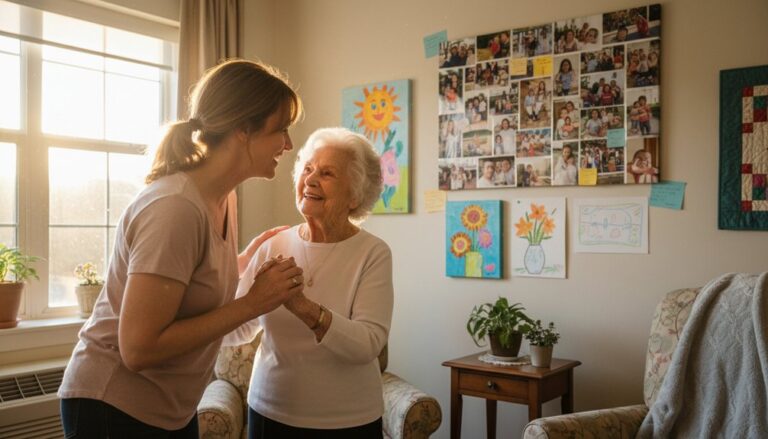
Personal items, such as cherished photographs and familiar furniture, can help transform a standard room into a comforting space. Including familiar décor—like rugs, throws, and warm lighting—can create a cozy atmosphere that fosters emotional connections. Personalization contributes to psychological resilience and higher satisfaction levels, making the environment feel more like home. Furthermore, creating comfortable daily spaces can significantly enhance residents’ overall well-being and happiness.
Establishing daily routines is also crucial, as it promotes a sense of autonomy and security, particularly for residents with cognitive impairments. Predictable environments with stable layouts and visual cues can assist residents in navigating their surroundings with confidence.
When exploring options, consider asking these questions:
- What personalization options are available for residents?
- How does the community support daily routines and familiarity?
- Are there opportunities for residents to engage in familiar activities?
Understanding how personalization and routine are integrated into a community can provide insight into how they support identity and overall well-being, enhancing the sense of belonging in a senior living environment.
Frequently Asked Questions
How Can Family Members Support Daily Routines for Residents?
Family members can play a vital role in supporting daily routines for residents in senior living communities. Here are some practical ways to enhance the care experience:
- Collaborate with Staff: Open communication with care staff is essential. Share your loved one’s preferences and past habits to help staff tailor routines that feel familiar and comfortable.
- Participate in Care Planning Meetings: Attending these meetings provides an opportunity to discuss your loved one’s needs and suggest any adjustments to their care plan.
- Encourage Participation in Activities: Engage your loved one in familiar activities, such as choosing their clothing or enjoying shared moments like coffee time. These small interactions can promote a sense of normalcy and belonging.
- Build Relationships with Staff: Regular visits allow family members to connect with care staff, fostering better coordination and understanding of your loved one’s unique needs.
- Observe and Communicate Changes: Pay attention to any changes in mood or behavior. Reporting these observations to staff can help ensure that routines remain effective and comforting for your loved one.
What Strategies Help Residents Adapt to New Routines?
To help residents adjust to new routines in a senior living community, consider the following strategies:
- Establish Consistent Schedules: Developing predictable daily timetables for meals, activities, and rest can create a sense of stability for residents, making it easier for them to adapt to their new environment.
- Personalize Spaces: Allowing residents to decorate their living areas with familiar items can foster a comforting atmosphere, helping them feel more at home.
- Promote Familiarity: Integrating existing habits into new routines can ease the transition for residents. This approach acknowledges their preferences and encourages continuity in their daily lives.
- Facilitate Social Connections: Encouraging regular family visits and peer interactions can enhance residents’ emotional well-being and help them build a supportive community.
- Support Open Communication: Fostering discussions about feelings and needs allows residents to express concerns and preferences, enabling necessary adjustments to their routines.
These strategies can significantly contribute to a smoother transition for older adults as they adapt to new care settings.
Are There Specific Routines for Different Cultural Backgrounds?
Yes, there are specific routines designed to accommodate different cultural backgrounds in senior living communities. These routines can significantly enhance the comfort and sense of belonging for residents.
Here are some key considerations:
- Dietary Practices: Meals often reflect cultural traditions, respecting dietary restrictions and preferences of the residents. It’s important to inquire about how a community handles specific dietary needs.
- Personal Care: Many communities prioritize privacy and respect for gender-specific needs during personal hygiene routines. Understanding how personal care is managed can be crucial for residents and their families.
- Social Interactions: Some communities offer options for communal dining or individual meals, depending on residents’ social preferences. It can be beneficial to ask about the social environment and activities available.
By integrating these elements into daily life, communities can create a supportive environment that honors the diverse backgrounds of their residents.
When researching care options, consider how these aspects align with your or your loved one’s preferences and values.
How Do Routines Change During Special Events or Holidays?
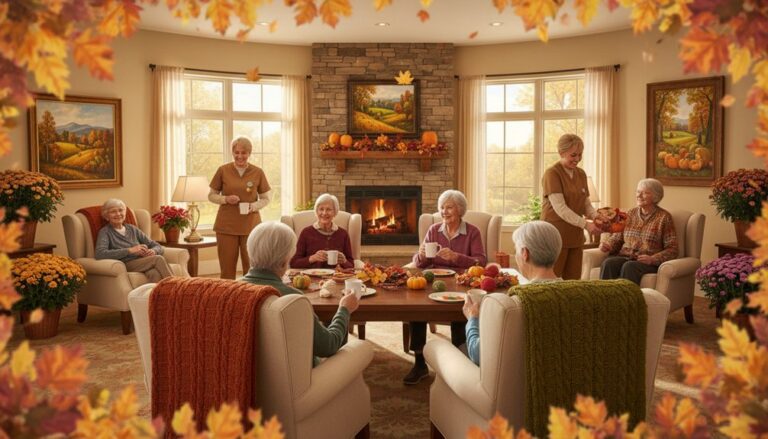
During special events or holidays, the routines in senior living communities often adapt to include festive activities, while still maintaining essential daily schedules.
Here are some common adjustments you may observe:
- Standard activities may be replaced with seasonal parties or themed meals, fostering a sense of celebration and community.
- Events are typically scheduled during quieter times to help minimize stress for residents.
- Decorations are often introduced gradually, creating a comfortable and soothing environment rather than overwhelming residents with sudden changes.
- Caregivers monitor residents closely for signs of agitation or confusion, ensuring that everyone feels secure and supported.
These thoughtful modifications help balance the joy of celebration with the comfort of routine, promoting a sense of inclusion and well-being among all residents.
What Training Do Staff Receive Regarding Routines and Resident Care?
Staff in senior living communities receive comprehensive training on routines and resident care, emphasizing both initial and ongoing education. This training typically covers:
- Understanding daily routines and the individual needs of residents
- Specifics of dementia care, including techniques for behavior management
- Guidance on activities of daily living (ADLs) and safety protocols
Such training is essential in ensuring that staff can provide consistent and compassionate support, addressing the unique preferences and health requirements of each resident.
By mastering these skills, staff contribute to creating a nurturing environment that promotes well-being and enhances the quality of life for older adults.
When researching care options for yourself or a loved one, it may be beneficial to inquire about the specific training staff receive, as this can impact the level of care and support provided in the community.